Quick answer: Professional ant control in Sydney typically ranges from around $150 to $350 for a standard residential treatment, depending on the species, the size of the property and how established the infestation is. The process starts with an inspection to identify the ant and locate the nest, followed by targeted baiting or treatment, and often a follow-up visit. Beware of anyone quoting a fixed price sight unseen.
Cost is usually the first question people ask, and it's a fair one. Below is an honest breakdown of what ant control costs in Sydney, what drives the price up or down, and exactly what a licensed technician does on the day so there are no surprises.
Typical ant control pricing in Sydney
Every property is different, so treat these as realistic guide figures rather than a fixed quote:
| Situation | Indicative cost |
|---|---|
| Single-species treatment, unit or small home | $150 – $220 |
| Standard house, one main colony | $200 – $300 |
| Larger home or multiple nests | $300 – $450 |
| Argentine ant super-colony or complex job | Assessed on inspection |
| Add-on to a general pest treatment | Often reduced or bundled |
Many Sydney households bundle ant control into a general pest treatment covering cockroaches, spiders and silverfish, which usually works out cheaper per pest than treating ants alone. If you're already booking a general service, it's worth asking.
What affects the price
Understanding the variables helps you judge whether a quote is fair:
- Species. Black house ants respond quickly to baiting. Argentine ant super-colonies and entrenched coastal brown ant populations take more product and more visits, so they cost more.
- Extent of the infestation. One trail from one nest is a quick job. Multiple trails from several directions means several nests to trace and treat.
- Nest location. A nest in an accessible garden bed is straightforward. One under a slab, inside a wall cavity or in the roof void takes more work to reach.
- Property size and type. A studio unit is faster and cheaper than a large home on a big block with extensive gardens.
- Follow-up visits. Some infestations are resolved in one visit; stubborn colonies need a second treatment, which may be included or charged separately.
Be cautious of a firm price quoted over the phone before anyone has seen the ants. Without knowing the species and the spread, that number is a guess — and honest pricing depends on an inspection.
The ant control process, step by step
1. Inspection and identification
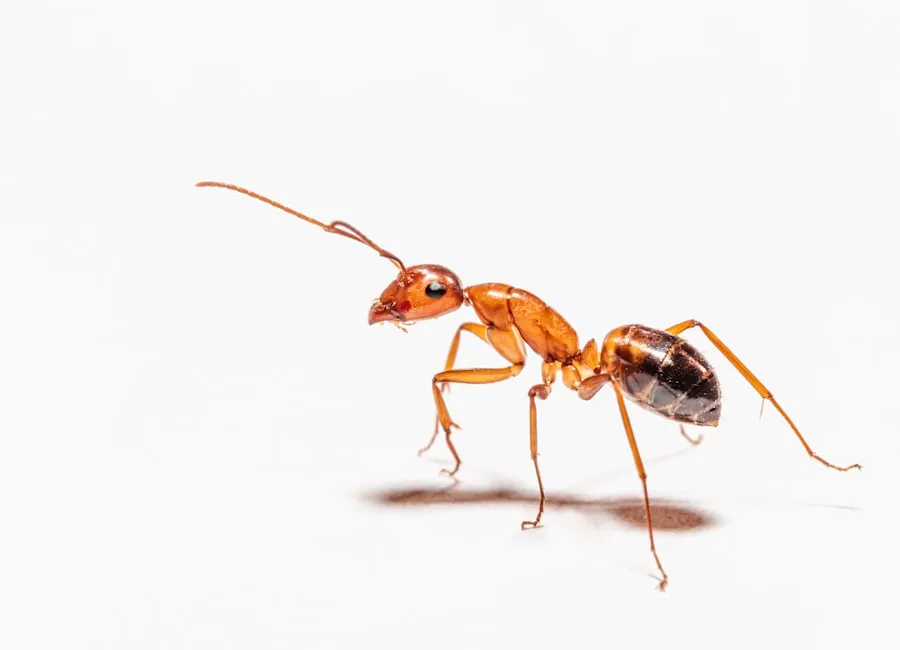
A licensed technician first inspects the property inside and out to identify the species and follow the trails back toward the nest. This step is critical — as we've explained in our species guide, sugar-feeders, protein-feeders and super-colony builders each need a different treatment. Getting the identification right is what separates a lasting result from weeks of wasted baiting.
2. Treatment plan and quote
Based on what's found, the technician explains the plan and gives you a firm price before any work begins. A good technician will also tell you honestly if the problem is minor enough to handle yourself with retail bait — we'd rather give straight advice than upsell.
3. Treatment
Treatment usually combines targeted gel and granular baits placed along active trails and near nest sites, plus, where appropriate, non-repellent products that ants carry back and spread through the colony. Unlike retail repellent sprays, these are designed to reach the queen. Baits and gels are placed out of reach of children and pets, and the technician will point out any areas to keep clear.
4. Follow-up and prevention advice
Because baiting works over one to three weeks, you'll often see activity before you see the decline. The technician will explain what to expect, advise on sealing entry points and reducing attractants, and arrange a follow-up visit if the infestation warrants it.
Destroy the whole ant colony
Licensed Sydney technicians, same-day service, and 20% off your first inspection — on-site within an hour of confirmation.
Get Your Free QuoteHow long does treatment take?
The on-site visit for a standard home usually takes 30 to 60 minutes. The biological result takes longer — most colonies collapse within one to three weeks as the bait moves through the nest. Argentine ant super-colonies can take longer still and are the most likely to need repeat visits, simply because of their scale.
Is professional treatment worth it over DIY?
For a single light trail, a well-chosen retail bait used patiently often does the job, and we'll happily tell you so. Professional treatment earns its cost when:
- DIY baiting has failed after several weeks.
- There are multiple trails or nests.
- Nests are inside walls, roof voids or under the slab.
- You're dealing with Argentine or heavy coastal brown ant populations.
- You want it dealt with quickly and correctly the first time.
The value is in correct identification, professional-grade products that transfer through the colony, and safe placement around your family. For a clear, no-obligation figure, book a free quote, learn more about our ant control service, or contact us on 0468 070 392.
Frequently Asked Questions
How much does ant control cost in Sydney?
Most standard residential treatments fall between about $150 and $350, depending on the species, property size and how established the infestation is. Complex jobs like Argentine ant super-colonies are quoted after inspection.
Why won't you quote a price over the phone?
Because an honest price depends on the species and how far the ants have spread, neither of which we can confirm without seeing them. A phone quote is a guess; an on-site inspection lets us give you a firm figure.
Does one treatment get rid of the ants?
Often, yes — a single, correctly targeted treatment resolves many infestations within one to three weeks. Larger or multi-nest problems, particularly Argentine ants, may need a follow-up visit.
Is it cheaper to combine ant control with other pest treatments?
Usually. Bundling ants into a general pest treatment covering cockroaches, spiders and silverfish typically costs less per pest than a standalone ant job, so it's worth asking when you book.
Will I see ants after treatment?
Yes, and it's normal. Baiting is slow-acting by design so foragers survive long enough to carry it back to the queen. Activity may briefly increase before the colony declines over the following weeks.