
Quick answer: In Sydney, humane possum removal usually means trapping the animal, sealing its entry points, and releasing it within 24 hours no more than 50 metres from where it was caught. Because possums are protected under the NSW Biodiversity Conservation Act 2016, you cannot legally relocate, harm or keep them, and trapping is best handled by a licensed operator who can also possum-proof your roof so the problem does not simply repeat.
Why possums are handled differently to other pests
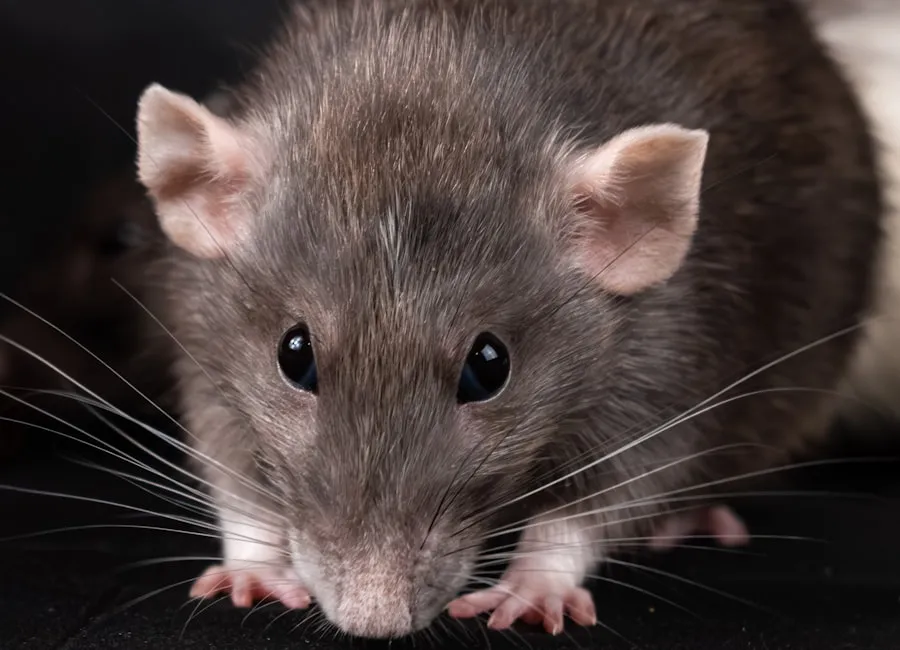
A rat in your roof and a possum in your roof are not the same legal situation. Rodents are declared pests and can be controlled with baits and traps. Common brushtail and ringtail possums, on the other hand, are native animals protected by law across New South Wales. That single fact changes every option available to you.
It is illegal to trap and relocate a possum to a bushland reserve, a park, or "somewhere in the bush" away from your property. It is illegal to poison, harm or kill one. And it is illegal to keep a possum you have caught. These restrictions exist because possums are highly territorial and stress-sensitive; a brushtail dumped into unfamiliar territory almost always dies within days from predation, starvation, or fights with resident possums. The law is not just red tape, it reflects what actually keeps the animal alive.
Under NSW rules, a trapped possum must be released within 24 hours, at night, within 50 metres of where it was captured, onto the same or adjoining property. It cannot be taken elsewhere. This is the single most important thing most homeowners get wrong.
Your realistic options, explained
When you have a possum in the roof, you have fewer choices than the internet suggests, but the good ones are effective. Here is how they stack up.
Option 1: Trap, seal and release on-site (the standard method)
This is the approach a licensed handler will almost always recommend, and it is the only one that both complies with NSW law and actually solves the problem. A cage trap is set near the entry point and baited (often with fruit). Once the possum is caught, every gap into the roof is sealed while the animal is out, and it is released the same night nearby. Because possums are territorial, the released animal stays in its area, but it can no longer get back inside a sealed roof, so it moves to a tree, a nest box, or another shelter.
The critical detail people miss: sealing without checking for dependent young is dangerous. In spring and autumn especially, a female may have a joey. Trapping the mother and sealing the roof can leave babies to die inside, which is both inhumane and a welfare offence. A competent operator checks for young before sealing.
Option 2: Encourage them to leave, then exclude
Sometimes a possum can be gently persuaded to vacate without trapping. Handlers use one-way exclusion methods, deterrent lighting, or timing exclusion around known movement patterns, then seal the entry once the roof is confirmed empty. This works best for a single animal with a clear single entry point and no young present. It is lower-stress for the animal when conditions suit it.
Option 3: Provide alternative housing
Because you are keeping the possum in its own territory, giving it somewhere else to live dramatically reduces the chance it tries to break back in. A well-placed possum nest box high in a nearby tree offers the shelter your roof was providing. This is not a legal requirement, but it genuinely improves outcomes and is something we recommend alongside sealing.
What is NOT an option
- Relocating the possum to bushland, a park, or a "better" spot away from your home.
- Poisoning, trapping to kill, or physically harming the animal.
- Keeping the possum as a pet or "moving it on" yourself without checking your obligations.
- Blocking the entry while the possum is inside, or before confirming there are no young.
Do you need a licence to do this yourself?
You are permitted to trap a possum on your own property and release it on-site under the general conditions set by NSW authorities, but the moment anything goes beyond a simple same-site release, you need a licensed operator. Most homeowners are better off calling a licensed handler for three practical reasons: they own compliant trapping equipment, they know how to check for and manage dependent young, and they can seal the roof properly so you are not repeating the whole exercise a fortnight later.
A licence also matters if the situation is complicated, an injured possum, a possum trapped in a wall cavity, or repeated re-entry. In those cases, DIY attempts often make things worse and can breach animal welfare rules.
How the process typically runs in Sydney
- Inspection. We identify the species, count entry points, and look for signs of young.
- Trapping or exclusion. A trap is set at the active entry, or a one-way exclusion is used where suitable.
- Same-night release. The possum is released nearby, on-site, within the legal window.
- Sealing and proofing. All entry points are sealed with durable materials so re-entry is prevented.
- Aftercare. We check the roof void, clean where needed, and can install a nest box.
Licensed, humane possum removal
NSW-licensed wildlife handlers, same-day service, and 20% off your first inspection — on-site within an hour of confirmation.
Get Your Free QuoteWhy cheap "relocation" offers should worry you
If someone offers to "take the possum away" for a flat fee, be cautious. Removing a possum from your property and dumping it elsewhere is illegal in NSW and almost always fatal to the animal. Legitimate operators seal and release on-site; they do not haul possums off to the bush. Choosing a compliant, licensed handler protects the animal, keeps you on the right side of the law, and actually fixes the roof.
If you are weighing up providers, ask two direct questions: "Do you release on-site?" and "How do you check for dependent young before sealing?" The answers tell you very quickly who knows what they are doing.
Ready to sort it properly? Learn more about our licensed possum removal service, request a free quote, or contact us on 0468 070 392.
Frequently Asked Questions
Can you relocate a possum away from my house?
No. NSW law requires a trapped possum to be released within 50 metres of where it was caught, on the same or adjoining property. Relocating it further away is illegal and usually kills the animal, so we seal your roof instead so it cannot get back in.
Is it legal for me to trap the possum myself?
You may trap and release a possum on your own property under the general conditions in force in NSW, but you cannot relocate, harm or keep it. Most people call a licensed handler because sealing the roof and checking for young are the parts that actually matter.
What happens if there are babies in the roof?
We check for dependent young before sealing anything. If a joey is present, the mother and young are managed together so nothing is trapped inside. Sealing a roof with babies still inside is inhumane and unlawful.
Will the possum just come straight back?
Because possums are territorial they stay in the area, but once every entry point is properly sealed they cannot re-enter the roof. Providing a nest box nearby gives them somewhere else to shelter and reduces re-entry attempts.
How quickly can you come out?
We offer same-day service across Sydney and aim to be on-site within an hour of confirmation. Call 0468 070 392 or request a free quote to get started.