Quick answer: Getting rid of bed bugs in Sydney means combining thorough cleaning, high heat, and targeted treatment of every hiding spot — not just spraying the mattress. Small, early infestations can sometimes be knocked back with careful laundering and vacuuming, but established ones almost always need a licensed technician using professional-grade heat or residual treatments. Bed bugs are extremely common, they are not a sign of a dirty home, and there is no shame in dealing with them.
If you have found bed bugs, take a breath. They are one of the most misunderstood pests in Sydney, and the panic they cause is usually worse than the bugs themselves. This guide walks through what genuinely works, what wastes your money, and how to approach the problem calmly and methodically.
First, confirm it is actually bed bugs
Before you tear your bedroom apart, make sure you are dealing with bed bugs and not fleas, carpet beetles, or a skin reaction to something else. The tell-tale signs are small rusty or dark spots on sheets (digested blood), tiny pale shed skins, and live insects roughly the size and colour of an apple seed tucked into seams and crevices. Bites often appear in rows or clusters on skin exposed while sleeping.
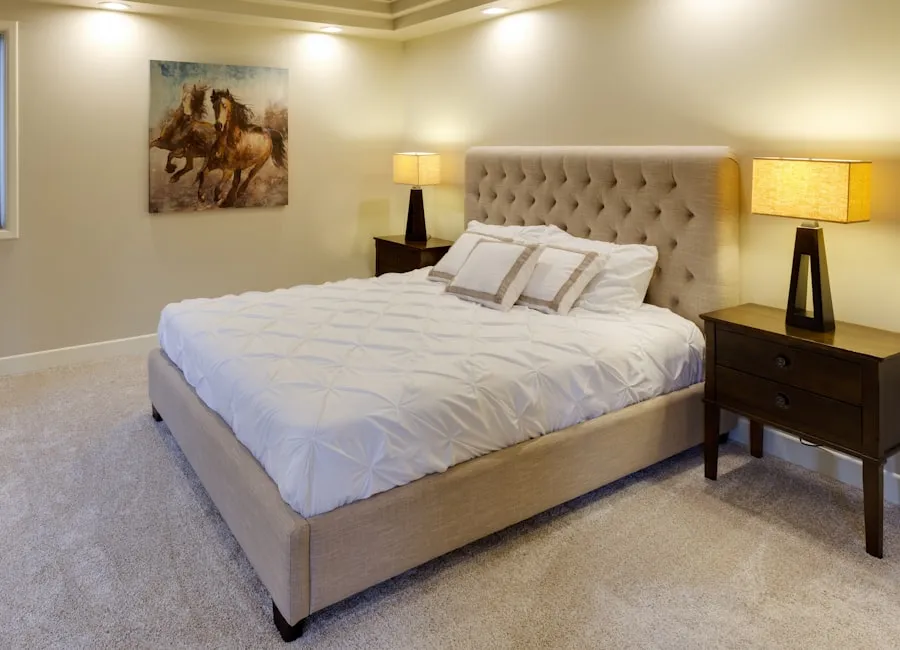
Check the piping and seams of your mattress, the bed frame joints, the headboard, and the crack where skirting board meets carpet. In Sydney's older terraces and apartment blocks, bugs also travel along shared wall cavities and power outlets, which is one reason unit dwellers can struggle to clear them alone.
What you can do yourself straight away
There are several genuinely useful steps you can take today, especially if you have caught the problem early:
- Launder hot, dry hotter. Wash all bedding, clothing, and soft items on the hottest cycle the fabric allows, then tumble dry on high for at least 30 minutes. Heat is what kills bed bugs and their eggs — the dryer does more work than the wash.
- Bag and isolate. Seal treated items in plastic bags so they cannot be re-infested while you work through the room.
- Vacuum relentlessly. Go over the mattress seams, bed frame, skirting, and carpet edges. Empty the vacuum into a sealed bag and put it in the outside bin immediately.
- Encase the mattress. A quality bed-bug-proof mattress and box-spring encasement traps any survivors inside and makes future inspection far easier.
- Reduce clutter, don't relocate it. Clearing clutter removes hiding spots, but do not drag items into another room — that is how a one-room problem becomes a whole-home one.
The single most common mistake we see in Sydney homes is moving to sleep on the couch or in the spare room. Bed bugs follow their food source, so this simply spreads them. Stay in your usual bed while treatment is underway — it keeps the infestation contained to one area.
Heat, freezing, and the limits of DIY
Bed bugs die reliably at sustained temperatures above roughly 50 degrees Celsius, and eggs need that heat held for a decent stretch. This is why professional heat treatment is so effective and why a household hairdryer or a warm Sydney summer will not do the job. Small items can be killed by freezing at minus 18 degrees for several days, but a domestic freezer rarely holds that temperature long enough to be certain.
Retail sprays from the hardware store are where most DIY attempts stall. Many bed bug populations have developed resistance to common over-the-counter pyrethroids, and surface spraying only reaches the bugs you can see — not the ones deep in wall voids, furniture joints, and cracks. You may knock the numbers down temporarily, only for the infestation to rebound weeks later.
When to stop DIY and call a professional
Consider bringing in a licensed technician if any of the following apply:
- You are still seeing live bugs or fresh bites two weeks after starting treatment.
- You live in an apartment, share house, or terrace where bugs may be moving between units.
- The infestation has spread beyond the bedroom into lounge furniture or multiple rooms.
- You simply want it handled properly and discreetly the first time.
Discreet bed bug treatment across Sydney
Licensed technicians, discreet same-day service, and 20% off your first inspection — on-site within an hour of confirmation.
Get Your Free QuoteHow professional treatment works
A licensed bed bug treatment usually begins with a thorough inspection to map exactly where the bugs are living and how far they have spread. From there, technicians typically use a combination of approaches: targeted heat, professional residual treatments applied to harbourage points, and steam for delicate areas. Because eggs can take a couple of weeks to hatch, a follow-up visit is standard to catch any newly emerged bugs before they breed.
The advantage of professional treatment is not magic chemicals — it is method. Technicians know the dozens of places bed bugs hide, they use products that are still effective against resistant populations, and they treat the whole environment rather than the visible surface. For Sydney apartments and share houses, they can also advise neighbours or other rooms that may need checking.
Stopping them coming back
Once an infestation is cleared, a few habits keep it that way. Keep the mattress encasement on, inspect your bed when you change the sheets, and be cautious with second-hand furniture — inspect anything you bring home from Marketplace or a kerbside pile before it comes inside. If you travel or host guests often, a quick luggage check on return goes a long way.
Getting rid of bed bugs takes persistence, but they are absolutely beatable. Whether you tackle a small outbreak yourself or bring in help for a stubborn one, the key is treating the whole environment thoroughly and following up. If you would like a hand, you can request a free quote or contact us for discreet advice.
Frequently Asked Questions
Can I get rid of bed bugs completely on my own?
Sometimes, if you catch them very early and are extremely thorough with heat, laundering, and vacuuming. Established infestations, and any in shared buildings, are much harder to clear without professional treatment because bugs hide in places DIY methods cannot reach.
How long does it take to get rid of bed bugs?
Professional treatment usually resolves an infestation over two or three visits across a few weeks, because eggs continue hatching after the first treatment. DIY efforts can take considerably longer and carry a higher risk of rebound.
Do I need to throw out my mattress?
Usually not. A mattress can generally be treated and then sealed in a bed-bug-proof encasement. Throwing furniture out often spreads bugs through the building and is rarely necessary.
Are bed bugs a sign my home is dirty?
No. Bed bugs feed on blood, not crumbs, and are found in immaculate homes and hotels alike. They are spread by travel and second-hand items, not by cleanliness. There is no reason for embarrassment.
Will one treatment be enough?
Rarely. Because bed bug eggs hatch over one to two weeks, a follow-up visit is standard practice to catch newly emerged bugs. A single treatment can miss this next generation.