Quick answer: To get rid of ants in Sydney, stop killing the workers you can see and target the nest instead. Use a slow-acting bait that foragers carry back to the colony, remove the food and moisture that attract them, and seal their entry points. Spraying trails on the kitchen bench feels satisfying but usually splits the colony and makes the problem worse.
Ants are the most common pest we treat across Sydney homes, from Bondi terraces to Blacktown brick-and-tile. They are persistent, highly organised, and very good at finding food. The good news is that once you understand how a colony works, getting rid of them becomes a logical process rather than a frustrating game of whack-a-mole.
Why ants keep coming back
A trail of ants marching across your bench is not the problem — it is a symptom. Those workers are foragers, and they represent perhaps five per cent of the colony. The queen, the brood and the bulk of the workforce are hidden in a nest that could be in a wall cavity, under the slab, in the garden, or beneath the pavers by your back door.
When you wipe out the visible trail with surface spray, you kill the scouts but leave the colony completely intact. Worse, many common ant species in Sydney respond to chemical stress by "budding" — splitting into multiple satellite nests. That is how one ant problem quietly becomes three.
The single biggest mistake we see homeowners make is treating the ants they can see instead of the colony they can't. Kill the workers and the queen simply produces more.
Step one: identify what you are dealing with
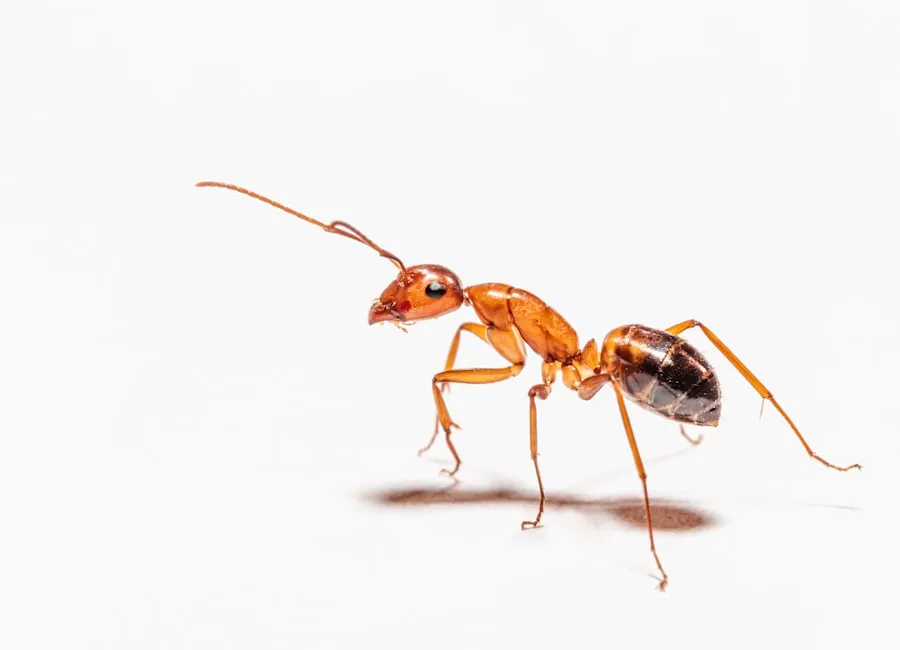
Different ants want different things, and the treatment changes accordingly. In Sydney the usual suspects are:
- Coastal brown ants (also called big-headed ants) — tiny, pale, and famous for pushing little piles of soil up between pavers and path cracks. Common right across the eastern suburbs and northern beaches.
- Black house ants — shiny black, around 2.5–3mm, and the classic kitchen invader chasing anything sweet.
- Odorous house ants — give off a faint coconut or rotten smell when squashed.
- Argentine ants — light brown and forming enormous, cooperative super-colonies, particularly in warmer inland suburbs.
Getting the identification right matters because sugar-feeding species and protein-feeding species need different baits. If you would like help, our ant control team can identify the species on site in a few minutes.
Step two: bait, don't spray
Baiting is the only DIY method that reliably reaches the queen. A good bait pairs a food the ants actively want with a slow-acting active ingredient. Because it is slow, foragers survive long enough to carry it home and feed it to the brood and the queen through a process called trophallaxis — mouth-to-mouth food sharing.
- Stop cleaning the trail. Counter-intuitive, but you want the foragers to keep using the same path straight to the bait.
- Place bait next to the trail, not on it. Put stations where you see ants but out of reach of children and pets.
- Match the bait to the season. Sydney ants often prefer sweet baits in the warmer months and protein-based baits when they are raising brood. If one is ignored, switch.
- Be patient. Expect more ants at first — that is the bait working. Colony collapse usually takes one to three weeks.
- Never spray near active bait. Repellent spray drives ants away from the very bait you need them to eat.
Step three: remove what attracts them
You will never win the chemical race alone if the kitchen is still an all-you-can-eat buffet. Reducing the attraction does half the work for you:
- Wipe benches and store sugar, honey and pet food in sealed containers.
- Empty the bin regularly and rinse recycling.
- Fix dripping taps and leaks — in Sydney's warmer months, ants come indoors chasing moisture as much as food.
- Sweep under the fridge, toaster and dog bowl, where crumbs collect unseen.
Step four: seal the entry points
Once the colony is gone, keep the next one out. Ants exploit the smallest gaps — around weep holes, window frames, skirting and where pipes enter the wall. Trim back plants touching the house, as branches make perfect ant bridges over any barrier. A bead of sealant around obvious entry points goes a long way in older Sydney homes with timber frames and settling brickwork.
Destroy the whole ant colony
Licensed Sydney technicians, same-day service, and 20% off your first inspection — on-site within an hour of confirmation.
Get Your Free QuoteWhen to call a professional
DIY baiting handles many light infestations. It is time to call a licensed technician when ants keep returning after weeks of baiting, when you have multiple trails from different directions, when nests are inside wall cavities or under the slab, or when you are dealing with a large Argentine or coastal brown ant population. A professional can use targeted, non-repellent products that transfer through the colony far more effectively than retail sprays, and place them safely around children and pets.
If you are not sure how far the problem has spread, book a free quote and we will inspect first — no obligation. You can also contact us with a photo of the ants for a quick identification.
Frequently Asked Questions
How long does it take to get rid of ants?
With correct baiting, most colonies collapse within one to three weeks. You will often see more ants in the first few days as they feed on the bait — that is a sign it is working, not failing.
Why do I get more ants after I spray?
Repellent sprays kill visible workers and stress the colony, which can trigger some Sydney species to split into satellite nests. You end up with more trails, not fewer. Baiting avoids this.
Are ants worse in summer in Sydney?
Yes. Warm, humid conditions boost ant activity, and long dry spells push them indoors to hunt for water. That is why the eastern suburbs and northern beaches see peak call-outs from late spring through autumn.
Do home remedies like vinegar or lemon work?
They can erase the scent trail temporarily and clean the surface, but they do nothing to the nest. The ants simply lay a new trail within hours. Treat them as cleaning, not control.
Is professional ant treatment safe around pets and kids?
A licensed technician uses products at label rates and places gels and baits in areas your family cannot reach. Always follow the technician's advice on re-entry times for any treated area.