Yes, cockroaches can be dangerous to your health — not because they bite or sting, but because they spread bacteria onto food and surfaces and their droppings and shed skins trigger asthma and allergies. They don't pose the dramatic threat some myths suggest, but a genuine infestation is a real hygiene and respiratory risk, especially for children and people with asthma. Here's what the science actually says.
Cockroaches provoke a strong "yuck" reaction, and it's fair to ask how much of the fear is justified. The honest answer sits between the two extremes: they're not the deadly menace of internet myth, but they're far more than a harmless nuisance. Understanding the real risks helps you respond sensibly rather than panic.
The real health risks
1. They spread bacteria and contaminate food
Cockroaches live in some of the filthiest places available — drains, sewers, grease traps, rubbish and subfloors — then walk across your benches, plates and food. As they travel, they carry bacteria on their legs and bodies and deposit it wherever they go. They also vomit and defecate as they feed. Cockroaches have been associated with organisms including Salmonella, E. coli and Staphylococcus, which can cause food poisoning, gastroenteritis and other gastrointestinal illness. The risk is mechanical transfer — they're a moving contamination vector, not a biting one.
2. They trigger asthma and allergies
This is the risk most people underestimate and the one health authorities take most seriously. Cockroach droppings, saliva, shed skins and body fragments contain proteins that are potent allergens. When these dry out and become airborne as household dust, sensitive people breathe them in. The result can be:
- Asthma attacks and worsening asthma control, particularly in children.
- Allergic reactions — sneezing, a runny or blocked nose, itchy eyes and skin rashes.
Cockroach allergens are a well-recognised trigger for childhood asthma, especially in higher-density housing. In Sydney apartments and older terraces where infestations can go unnoticed in shared cavities, this is a legitimate concern for families.
3. They contaminate more than they consume
A cockroach doesn't need to eat much of your food to ruin it. Even a light infestation leaves droppings, egg cases and a distinctive musty odour on surfaces and stored goods, contaminating far more than the roaches actually eat.
The practical takeaway: cockroaches rarely cause dramatic, immediate harm, but a sustained infestation quietly raises the risk of stomach illness and respiratory problems in your home. That's reason enough to act rather than tolerate them.
Get rid of cockroaches for good
Licensed Sydney technicians, same-day service, and 20% off your first inspection — with a technician on-site within an hour of confirmation.
Get Your Free QuoteCommon cockroach myths — sorted
Plenty of alarming claims circulate about cockroaches. Here's what holds up and what doesn't.
Myth: "Cockroaches bite people."
Mostly false. Cockroaches can technically bite but almost never do — it's extremely rare and only occurs in severe infestations with no other food source. They're scavengers, not biters, and pose no meaningful bite risk in a typical home.
Myth: "Cockroaches only live in dirty homes."
False. Roaches are attracted to food, water and shelter, not dirt specifically. Spotless homes get cockroaches too, especially where they enter from neighbouring units, drains or the garden. Cleanliness reduces the risk but doesn't make you immune.
Myth: "Cockroaches can survive a nuclear blast."
Exaggerated. Cockroaches are more radiation-tolerant than humans, but they're not indestructible and would not survive at the centre of a blast. It makes a good story, not a good fact.
Myth: "One cockroach means an infestation."
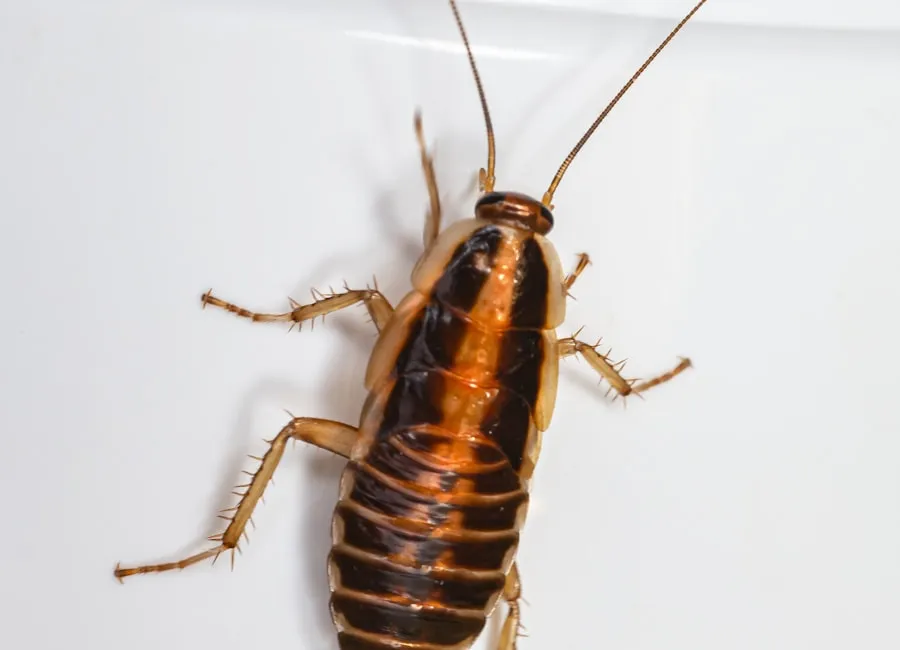
Depends. A single large Australian cockroach may just be a stray from the garden. But spotting even one small German cockroach — or seeing any roach during the day — often does indicate a hidden breeding population, because they're nocturnal and stay hidden until crowded.
Myth: "A cockroach can live for weeks without its head."
Surprisingly true. Cockroaches breathe through body openings and have a decentralised nervous system, so a headless roach can survive for a week or more before dying of dehydration. Unsettling, but not relevant to controlling them.
Who is most at risk?
Cockroach-related health effects hit some groups harder than others:
- Children — more vulnerable to cockroach-triggered asthma and allergies.
- People with asthma or respiratory conditions — allergens can worsen symptoms.
- Elderly and immunocompromised people — more susceptible to foodborne illness.
- Anyone in high-density housing — where infestations spread between units and can be harder to fully clear.
How to reduce the risk
If you have cockroaches, the health risk falls quickly once the infestation is cleared and surfaces are cleaned of droppings and allergens. Sensible steps:
- Clean and disinfect any surfaces roaches may have crossed, particularly in the kitchen.
- Wash or discard food that may have been contaminated.
- Vacuum with a HEPA filter to remove allergen-laden dust and droppings.
- Treat the infestation properly rather than tolerating a low-level ongoing problem.
Because the allergen and hygiene risk persists as long as the roaches do, dealing with an infestation promptly is the single best thing you can do for your household's health. We're fully licensed and insured, have treated more than 1,000 Sydney homes and hold a 4.9★ rating. If cockroaches are a concern in your home, explore our cockroach control service, get a free quote, or contact us for honest advice.
Frequently Asked Questions
Do cockroaches bite humans?
Very rarely. Cockroaches are scavengers and almost never bite people; the odd recorded case involves severe infestations with no other food. In a normal home, cockroach bites are not a realistic concern.
Can cockroaches make you sick?
Yes, indirectly. By walking across food and surfaces after being in drains and rubbish, they can transfer bacteria that cause food poisoning and gastroenteritis. Their droppings and shed skins also trigger asthma and allergies.
Are cockroaches dangerous to babies and children?
Children are among the most affected. Cockroach allergens are a recognised trigger for childhood asthma, and kids are more vulnerable to foodborne illness. Clearing an infestation promptly is especially important in homes with young children.
Does one cockroach mean I have an infestation?
Not always. A single large cockroach may be a stray from the garden. But seeing a small German cockroach, or any roach during the day, often signals a hidden breeding population, since they're nocturnal and normally stay concealed.
Do cockroaches spread disease in Australia?
They can act as carriers of bacteria linked to gastrointestinal illness by contaminating food and surfaces. Serious disease transmission is uncommon in Australian homes, but the hygiene and allergy risks of an infestation are real and worth addressing.