Quick answer: Commercial pest control in Sydney is usually priced per visit as part of an ongoing program, with most small-to-medium businesses paying somewhere in the low hundreds of dollars per service. Price is driven by site size, pest risk, visit frequency and documentation needs — not by a flat rate. The cheapest quote is rarely the best value once compliance and effectiveness are factored in.
Why there is no single price
Anyone who quotes a firm figure without seeing your site is guessing. A 40-seat café, a 5,000-square-metre warehouse and a small office suite have completely different risk profiles, access requirements and treatment areas. Honest commercial pricing follows an inspection, because the technician needs to understand what they are actually managing. What we can do is explain the factors that move the number up or down so you can judge a quote fairly.
What drives the cost
- Site size and layout — more floor area, more monitoring devices, and complex or multi-level sites take longer to service.
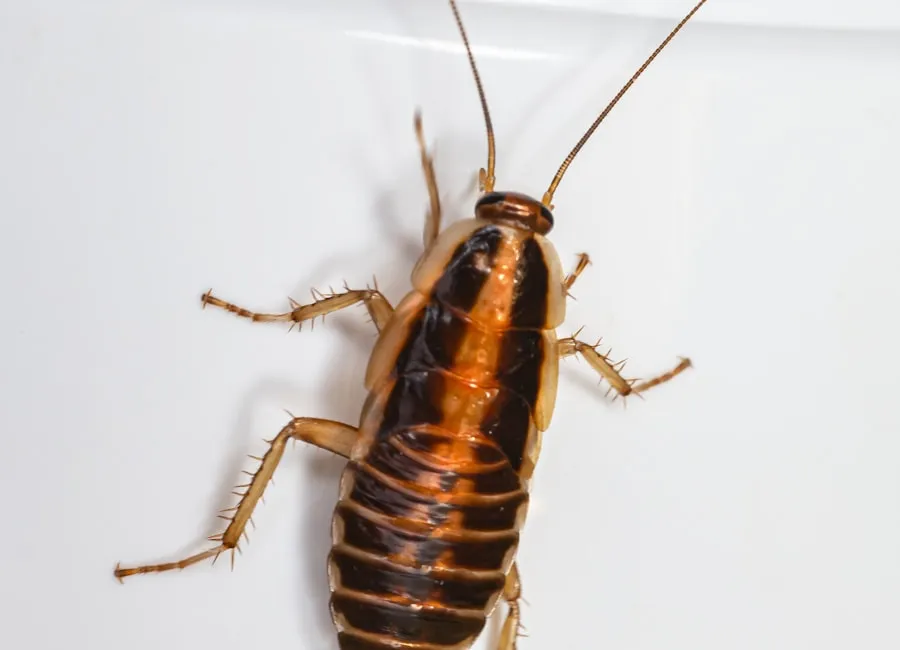
- Pest risk and type — food premises and pests like German cockroaches or rodents need more intensive, ongoing work than a low-risk office.
- Visit frequency — a monthly program costs more per year than quarterly, but usually less per visit.
- Documentation and compliance — audit-ready reporting, site maps and trend analysis take time and expertise, and are worth paying for if you are inspected or certified.
- Access and timing — after-hours or early-morning visits to avoid disrupting trade may carry a premium.
- Condition of the site — an existing infestation needs a more intensive initial treatment before settling into routine maintenance.
Realistic ranges by business type
These are indicative Sydney ranges to help you sanity-check a quote, not fixed prices. Your actual cost depends on the factors above.
| Business type | Typical structure | What affects it most |
|---|---|---|
| Small café or shop | Lower per-visit fee, quarterly or bimonthly | Size, shared building |
| Restaurant / commercial kitchen | Monthly program | Food risk, audit reporting |
| Office suite | Two to four visits a year | Kitchenette, waste, floor area |
| Retail store | Quarterly program | Deliveries, stockroom |
| Warehouse / logistics | Per-visit, scaled to area | Perimeter size, device count |
| Multi-site group | Negotiated per-site rate | Number of sites, consistency |
An initial or intensive treatment for an active infestation is usually charged separately from the ongoing maintenance visits that follow. Our commercial pest control quotes make that split clear so you know what is one-off and what is recurring.
The real question is not "what is the cheapest visit?" but "what does a year of effective, documented protection cost?" — because that is what protects your business.
The true cost of getting it wrong
Underspending on pest control is a false economy. Weigh the per-visit fee against what a pest problem can actually cost a Sydney food business:
- Closure or improvement notices from council, and the lost trade while you rectify.
- Fines and penalty notices under the Food Act for pest activity or poor records.
- Failed audits that jeopardise supply contracts with major clients.
- Reputation damage from a single review or social post mentioning a rodent or cockroach.
- Product loss when stored goods are contaminated and must be discarded.
Against those figures, the difference between a bargain program and a proper one is small. The value of commercial pest control is in what it prevents.
Compliant, discreet commercial pest control
Licensed Sydney technicians, audit-ready documentation, after-hours service, and 20% off your first inspection — on-site within an hour of confirmation.
Get Your Free QuoteRed flags that you are overpaying — or underbuying
An honest provider is transparent about what you are paying for. Be cautious when you see:
- A firm price over the phone with no site inspection — it usually means a generic package rather than a fit-for-purpose program.
- Locked-in multi-year contracts with no review of whether frequency still matches your risk.
- No documentation included — if reports and a site map are extra, you may fail an audit despite paying for service.
- Prices well below the market — cutting corners usually shows up as unlicensed work, thin reporting or ineffective treatment.
- Promises that pests will be eliminated for good — no reputable technician can promise that, and it is a sign of a sales pitch over substance.
How to get real value
To spend wisely, focus on outcomes rather than headline price:
- Get a written quote after a site inspection, itemising initial treatment versus ongoing visits.
- Confirm reporting, site maps and technician licensing are included, not extras.
- Match frequency to your genuine risk so you neither overpay nor leave gaps.
- Ask how the provider reviews and adjusts the program over time.
- For multiple sites, negotiate a consistent per-site rate and unified reporting.
A transparent quote should leave you knowing exactly what you pay, how often, and what you receive in return. You can request a free quote for a program priced to your site, or contact us with questions about your budget.
Frequently Asked Questions
How much does commercial pest control cost in Sydney?
Most small-to-medium businesses pay in the low hundreds of dollars per visit as part of an ongoing program, but the real figure depends on site size, risk and frequency. An inspection gives an accurate price.
Is it cheaper to pay per visit or take a program?
A scheduled program is almost always better value than reactive call-outs. Per-visit rates within a program are typically lower, and you avoid the higher cost of treating an established infestation.
Why won't you quote a price over the phone?
Because an accurate commercial quote needs a look at your site. A phone figure would be a guess that either overcharges you or under-delivers on what your business actually needs.
Are there extra costs I should watch for?
Ask whether documentation, site maps and initial intensive treatment are included or charged separately. Clarifying this upfront avoids surprises and ensures you have the records an auditor will want.
Does a cheaper quote mean I am getting a good deal?
Not necessarily. Very low prices often mean thin reporting, less frequent visits or unlicensed work. Compare what a full year of effective, documented protection costs rather than a single visit.