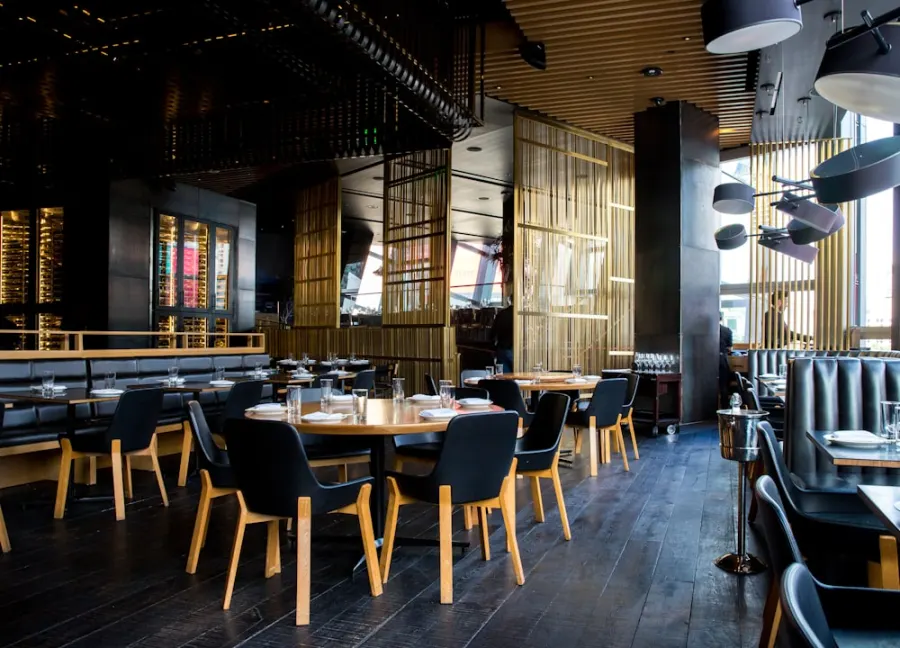
Quick answer: A Sydney restaurant or café needs a scheduled commercial pest control program run by a licensed technician, not just call-outs when something goes wrong. The right program combines monthly or bimonthly inspections, targeted treatment for cockroaches, rodents and flies, and written service reports you can show an Environmental Health Officer or auditor. Done properly, it protects your food, your customers and your licence.
Why food venues are different from other businesses
A kitchen offers pests everything they need: warmth, water, food debris and dozens of hidden harbourage points behind equipment. Add Sydney's mild climate, dense CBD laneways and shared building voids, and even a spotless venue can face pressure from neighbouring premises. Commercial pest control for hospitality is therefore about ongoing prevention and monitoring, not a single spray.
It also carries legal weight. Under the Food Act 2003 (NSW) and the Australia New Zealand Food Standards Code, food premises must be kept free of pests and designed so pests cannot harbour or enter. Local councils, acting under authority from the NSW Food Authority, inspect venues and can issue improvement notices, fines or closure orders where pest activity is found. Our commercial pest control service is built around meeting that standard.
The pests that threaten Sydney kitchens
Cockroaches
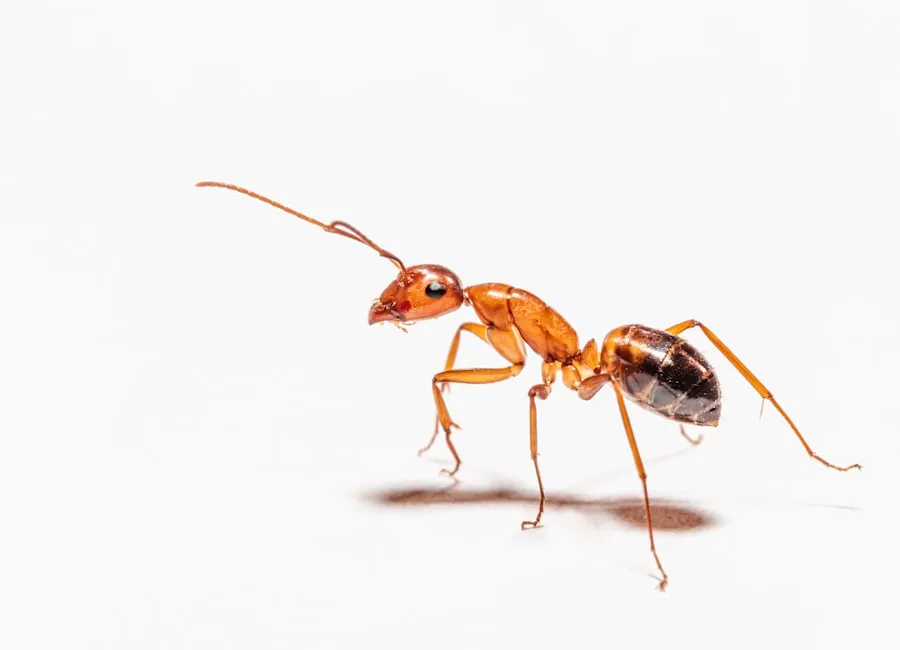
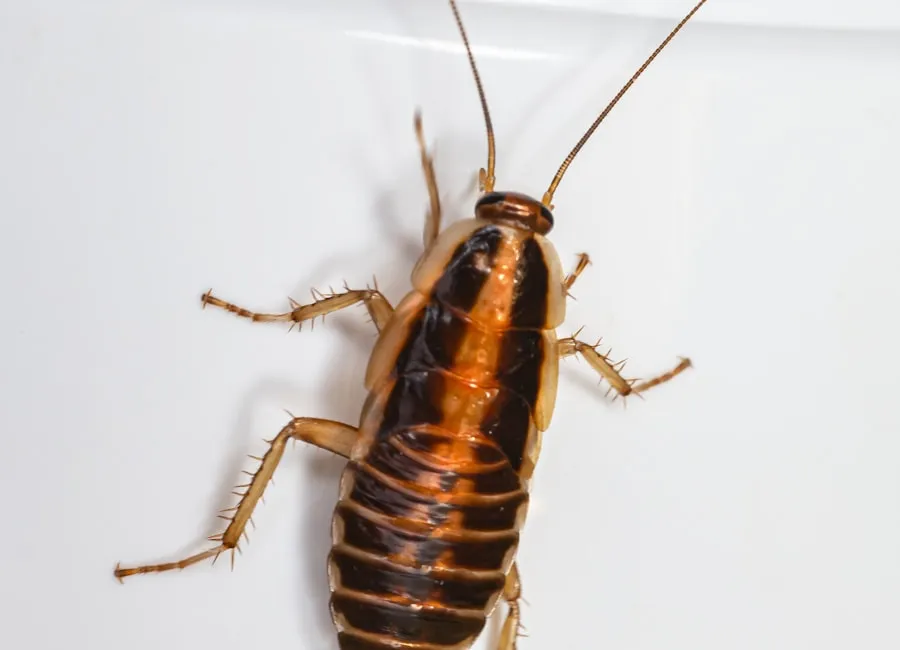
German cockroaches are the number one hospitality pest in Sydney. They breed rapidly, hide inside warm equipment such as dishwashers, coffee machines and fridge motors, and carry pathogens across food-contact surfaces. Because they nest deep inside appliances, over-the-counter sprays rarely reach the source. Professional gel baiting and targeted treatment of harbourage points is far more effective.
Rodents
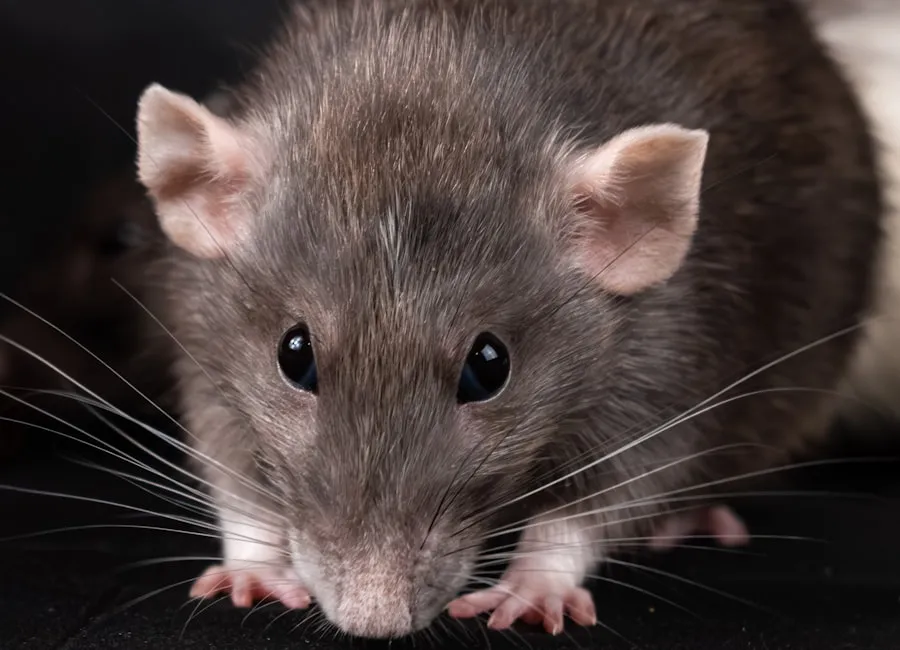
Rats and mice travel through wall cavities, roof spaces and shared drains, which makes terrace and strata buildings across the inner city particularly vulnerable. A single rodent sighting during service can trigger a customer complaint, a bad review and a council visit. Tamper-resistant bait stations, snap-trap monitoring and proofing of entry points keep numbers down and give you a documented record of activity.
Flies and stored-product pests
Small flies breed in floor drains, grease traps and neglected mop buckets; larger flies enter through propped-back doors near bins. Stored-product insects can arrive inside flour, grains and dried goods. A good program addresses breeding sites and deliveries, not just the adult insects you can see.
What a proper commercial program looks like
Reactive spraying when you spot a cockroach is the most expensive and least effective approach. A structured program instead follows a clear cycle:
- Initial site survey mapping harbourage, entry points, drainage and high-risk zones.
- Targeted treatment using food-safe methods appropriate to each pest and area.
- Monitoring devices such as numbered bait stations, insect monitors and, where useful, fly units, plotted on a site plan.
- Scheduled return visits to inspect, replenish and record findings.
- Trend review so recurring hot spots are fixed at the source, not re-treated forever.
The goal is not to spray more chemical. It is to remove the food, water and shelter pests rely on, monitor the result, and prove it in writing.
Documentation an auditor actually wants
For most Sydney cafés and restaurants, the paperwork matters as much as the treatment. After each visit you should receive a service report that records the date, technician name and licence, products used with their batch details, areas inspected, activity found and recommendations. Kept together with a site map and a pest sighting log, this becomes your pest control file — exactly what an EHO or a third-party auditor will ask to see.
| Document | Purpose |
|---|---|
| Service report per visit | Evidence of ongoing treatment and findings |
| Site map / device plan | Shows monitor locations for inspection |
| Pest sighting log | Staff record of activity between visits |
| Product safety data sheets | Confirms food-safe chemicals used |
| Technician licence details | Proves the work was done legally |
Working around service, not through it
Hospitality runs on tight margins and full dining rooms, so timing matters. Reputable providers offer after-hours and early-morning visits so treatment happens when the kitchen is closed and food is stored or covered. Technicians should work discreetly, avoid treating exposed food-contact surfaces during service, and leave the venue clean and ready to trade.
Compliant, discreet commercial pest control
Licensed Sydney technicians, audit-ready documentation, after-hours service, and 20% off your first inspection — on-site within an hour of confirmation.
Get Your Free QuoteWhat owners and staff can do between visits
Even the best program depends on daily housekeeping. Simple habits make a measurable difference:
- Clean floor drains and grease traps on a set schedule — these are prime fly breeding sites.
- Store dry goods off the floor in sealed containers and rotate stock.
- Empty and wash bins nightly, and keep external bin areas away from back doors.
- Seal gaps around pipework, doors and skirting where rodents and roaches travel.
- Record any sighting in your log, with location and time, so the technician can act on it.
If your venue is in a shared building, raise recurring activity with your strata or building manager. Cockroaches and rodents rarely respect tenancy boundaries, and a coordinated approach across a strip or complex is often the only lasting fix.
Getting started
Whether you run a single café in Newtown, a busy CBD restaurant or a multi-site group, the first step is an honest inspection so the program matches your real risk and budget. You can request a free quote or contact us to arrange a time that suits your trading hours.
Frequently Asked Questions
How often should a restaurant have pest control?
Most Sydney food venues are best served by monthly or bimonthly visits, with high-risk kitchens on the more frequent end. Frequency depends on your pest history, building type and any auditor requirements.
Is pest control legally required for cafés and restaurants in NSW?
The Food Act and Food Standards Code require premises to be kept free of pests. While a specific contract is not mandated by name, in practice a documented program is how you demonstrate compliance to councils and auditors.
Are the chemicals safe to use around food?
Licensed technicians select products approved for use in food-handling areas and apply them so treated surfaces do not contact food. Baits and monitors are placed discreetly and tamper-resistant stations are used where needed.
Will treatment disrupt our trading hours?
It should not. We schedule after-hours and early-morning visits so work is done when the kitchen is closed and food is stored, leaving the venue ready to trade.
What paperwork will we receive?
A service report after every visit, plus a site plan and access to a pest sighting log. Together these form the audit-ready file an EHO or third-party auditor will request.