
Quick answer: In NSW, end of lease pest control is not automatically required by law for every tenant. It usually becomes your responsibility when your lease has a specific clause about it, or when you kept pets at the property. If either applies, a professional treatment with a dated receipt is the cleanest way to satisfy your agent and protect your bond.
What "end of lease pest control" actually means
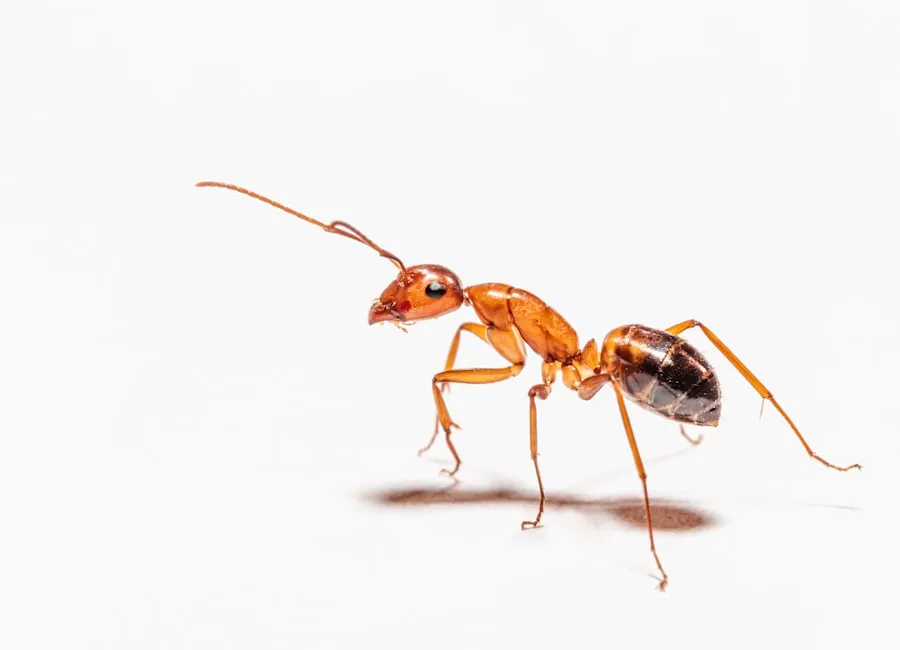
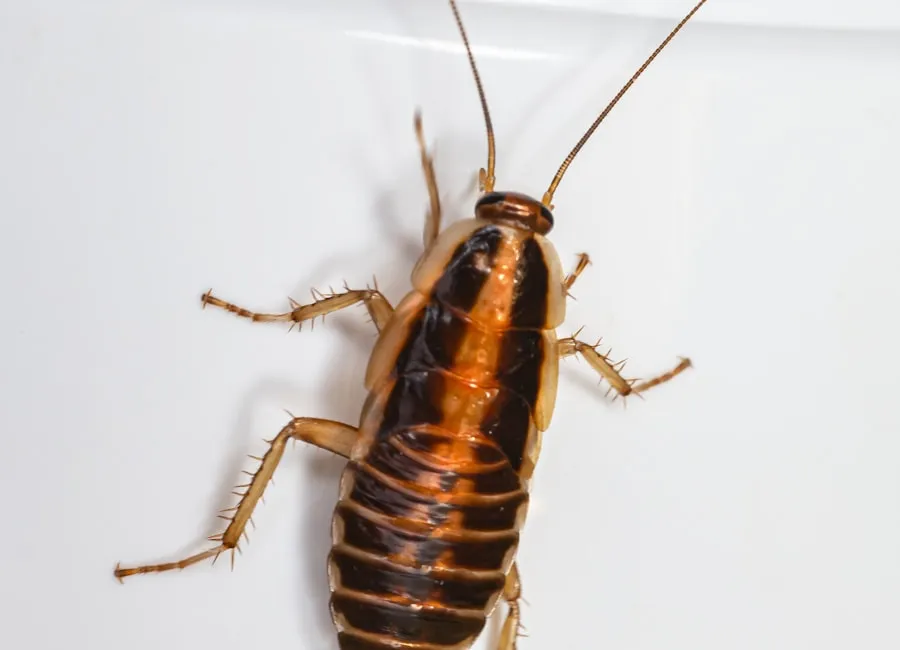
End of lease pest control is a professional treatment carried out around the time you hand back a rental property, so it is returned in a reasonable, clean condition. For most Sydney tenants it covers general pests such as cockroaches, ants and spiders, and where pets were kept, a flea treatment. The goal is simple: leave the property in the condition a reasonable person would expect, minus fair wear and tear.
It is worth being clear about the legal position, because there is a lot of misinformation online. Under the Residential Tenancies Act 2010 (NSW), a tenant must keep the premises reasonably clean and not intentionally or negligently cause damage. There is no blanket rule that says every tenant must pay for a pest treatment on the way out. Whether you specifically need one comes down to two things: what your lease says, and whether you had pets.
When is a treatment your responsibility?
There are a few common scenarios where a Sydney tenant is reasonably expected to arrange end of lease pest control before handing over the keys.
- Your lease has a pest control clause. Many NSW residential tenancy agreements include a special condition requiring professional pest treatment, or flea treatment specifically, at the end of the tenancy. If it is written into the agreement you signed, it is generally enforceable.
- You kept pets at the property. This is the most common trigger. A cat or dog can leave flea eggs and larvae in carpets and skirting boards, and agents very commonly ask departing tenants with pets to arrange a professional flea treatment.
- There is an existing infestation you caused or worsened. If pests took hold because of how the property was kept, you may be responsible for putting it right.
By contrast, if you had no pets, your lease says nothing about pest control, and the property is clean, you are often not obliged to pay for a treatment simply because the agent would prefer one. That said, disputes are stressful and treatments are relatively inexpensive, so many tenants choose to do one anyway for peace of mind.
The single most useful thing you can do is re-read your tenancy agreement and your entry condition report before you book anything. The clause that decides this is almost always in the document you already signed.
What your Sydney agent typically expects
Real estate agents across Sydney tend to expect a few consistent things when pest control is part of the move-out. Knowing them upfront saves a second visit and a delayed bond.
- A licensed technician. Treatment should be carried out by a licensed NSW pest management technician, not a supermarket bomb, so the work stands up if questioned.
- A proper receipt or invoice. This is the part tenants most often forget. The receipt should show the business name, licence details, the property address, the date and the type of treatment. Agents use this document to close out your file.
- Timing that lines up with the final inspection. The treatment should be done close to your move-out, ideally after the property is empty and cleaned, so the result is what the agent sees.
- Remove all furniture and belongings.
- Complete your end of lease clean, including carpets.
- Book the pest treatment for after the clean, ideally the day before your final inspection.
- Collect and file the receipt, and send a copy to your agent.
- Using a DIY bomb and assuming that counts. Agents almost always want evidence of a professional treatment. A store-bought aerosol will not produce a receipt they recognise.
- Booking too early. Treating a full, occupied property days before you actually leave undermines the result and the timing.
- Losing the paperwork. The treatment is only half the job. Without the receipt, you cannot prove it happened.
- Paying for treatments you do not owe. If you never had pets and your lease is silent on pest control, check before you assume you must pay.
How this connects to your bond
Your bond is held with the NSW Rental Bond Board, and at the end of the tenancy your agent either agrees to release it or claims part of it for genuine costs. Pest control only affects your bond if it was a genuine, agreed obligation and it was not met. If your lease required a flea treatment and you skipped it, the agent may arrange one and deduct the cost. If you completed the treatment and kept the receipt, there is nothing to deduct.
If you disagree with a deduction, you do not have to simply accept it. You can dispute it, and if it cannot be resolved, either party can apply to the NSW Civil and Administrative Tribunal (NCAT). Keeping your receipt, your final photos and your communications with the agent puts you in a strong position if it ever gets that far.
A simple move-out sequence that works
The order you do things in matters more than people realise. Pest control should be one of the last jobs, not the first.
Doing the treatment after cleaning matters because a freshly vacuumed carpet actually helps a flea treatment work: vacuuming stimulates dormant flea pupae to hatch, so the product reaches them. An empty property also lets the technician treat skirting boards, cupboards and corners properly.
Bond-ready pest treatment with a receipt
Licensed Sydney technicians, agent-approved receipt, same-day slots, and 20% off your first inspection — on-site within an hour of confirmation.
Get Your Free QuoteCommon mistakes Sydney tenants make
Most bond headaches around pest control come from a handful of avoidable errors.
Getting help without the stress
Moving is stressful enough without a bond dispute hanging over it. If you are unsure whether you actually need a treatment, the fastest path is to read your lease clause, then ask a licensed provider what an agent-ready receipt should contain. If you would like a hand, you can contact us to talk it through, or request a free quote for a treatment timed to your move-out. Being organised here is usually the difference between a same-day bond release and weeks of back-and-forth.
Frequently Asked Questions
Is pest control legally required for all tenants in NSW?
No. There is no blanket legal requirement. It becomes your responsibility mainly when your lease includes a pest control clause or when you kept pets. Always check the agreement you signed first.
Does a DIY treatment satisfy my agent?
Usually not. Most Sydney agents want evidence of a professional treatment with a proper receipt showing the business, licence, address, date and treatment type. A supermarket bomb rarely meets that expectation.
When should I book the treatment?
Book it for after your property is empty and cleaned, ideally the day before your final inspection. This gives the best result and lines the treatment up with what the agent sees.
What if my agent deducts money for pest control I did not agree to?
You can dispute it. If it required a treatment you did not do, a deduction may be fair; if it was never an agreed obligation, keep your records and, if needed, you can apply to NCAT to resolve the dispute.
Do I need pest control if I never had pets?
Often not, unless your lease specifically requires it or there is an infestation you caused. If none of those apply, a treatment may be optional rather than mandatory.