Quick answer: The most common signs of termites in Sydney homes are mud tubes on walls and piers, timber that sounds hollow when tapped, tight-fitting or buckling doors, and discarded wings after a swarm. If you notice any of these, stop disturbing the area and book a professional inspection straight away, because subterranean termites can cause significant structural damage well before they become visible.
Why Sydney Homes Are a Prime Target
Sydney sits in a high-to-very-high termite hazard zone. Our warm, humid summers, mild winters and clay-based soils create ideal conditions for subterranean termites, particularly the aggressive Coptotermes species that account for most of the serious structural damage across New South Wales. Combine that climate with the enormous stock of timber-framed homes, weatherboard cottages, decks, pergolas and fence lines, and you have a city where termite activity is not a rare event but an ongoing risk.
Subterranean termites live in a central nest, often in a tree stump, garden bed or beneath a slab, and forage outward through the soil in search of cellulose. They can travel 50 metres or more from the nest and enter a building through a gap as narrow as one millimetre. Because they work from the inside out and avoid light and open air, the damage is usually well advanced before any obvious sign appears. That is exactly why knowing what to look for matters.
The Warning Signs to Watch For
1. Mud Tubes (Leads)
Mud tubes are the single most recognisable sign of subterranean termite activity. These pencil-width tunnels of soil, saliva and droppings let termites travel between the soil and their food while staying protected from predators and drying out. Look for them running up brick piers, foundation walls, the inside of subfloor areas, garage walls and around service penetrations. A tube that is moist and packed with live termites when broken open indicates an active infestation.
2. Hollow or Damaged Timber
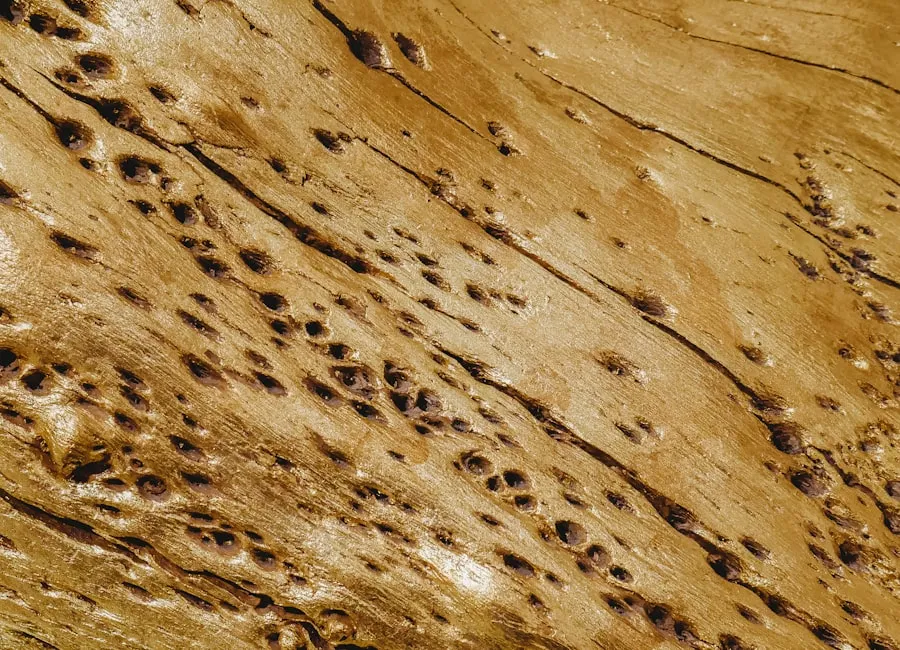
Termites eat timber from the inside, leaving a thin veneer of paint or surface wood intact. Tap along skirting boards, door frames, architraves and structural timbers with a firm object. A hollow, papery or drum-like sound often means the timber has been eaten out behind the surface. You may also notice blistering paint, sagging floors, or timber that crumbles under light pressure.
3. Discarded Wings and Swarmers
On warm, humid evenings, usually in spring and early summer, mature colonies release winged reproductives called alates to establish new nests. They fly, shed their wings and disappear. Finding small piles of identical discarded wings on windowsills, near light fittings or in spider webs is a strong indicator that a colony is nearby, sometimes inside the structure itself.
4. Doors and Windows That Stick
As termites tunnel through door and window frames, the moisture they introduce and the structural weakening can cause frames to warp. Doors and windows that suddenly become stiff or hard to close, without any recent weather change, warrant a closer look.
5. Frass, Sagging and Odd Sounds
Drywood termites, less common in Sydney than subterranean species, push out tiny pellet-like droppings called frass. Subterranean termites tend to leave a moist, mud-like residue instead. Other clues include sagging or bouncy floorboards, tiny pin-holes in plasterboard, and a faint clicking or rustling sound inside walls when the colony is disturbed.
A single active Coptotermes colony can contain more than a million individuals and consume the structural framing of an average home in a matter of months. Early detection is the difference between a routine treatment and a major repair bill.
What to Do If You Spot the Signs
- Do not disturb the area. Breaking open mud tubes or spraying supermarket insecticide causes termites to retreat and relocate, making them harder to treat and eliminate.
- Do not attempt DIY treatment. Over-the-counter products rarely reach the nest and often just push the colony to a new part of the home.
- Photograph what you can see without touching it, and note the location.
- Book a licensed inspection. A qualified technician will confirm the species, map the extent of activity and recommend a management plan.
Protect your home from termites
Licensed Sydney technicians, thorough inspections, and 20% off your first inspection — on-site within an hour of confirmation.
Get Your Free QuoteHow a Professional Inspection Works
A thorough termite inspection follows the guidance of Australian Standard AS 3660, the reference standard for termite management in this country. AS 3660.2 in particular covers the assessment and management of termite risk in and around existing buildings. A competent inspection covers the interior, roof void, subfloor, exterior perimeter and the garden, using moisture meters, tapping, and sometimes thermal imaging or movement-detection tools to find activity concealed behind surfaces.
The inspector will also identify conducive conditions that attract termites, such as poor drainage, timber-to-ground contact, leaking taps and stored timber against the house. Addressing those conditions is a key part of long-term protection and is discussed in more detail in our guide to prevention.
How Often Should You Inspect?
Best practice, and the recommendation echoed throughout AS 3660, is a professional inspection at least once every twelve months. In high-risk Sydney locations, or where there is a history of activity, inspections every six months are sensible. Annual inspections are not a legal obligation for a standard home, but skipping them is the most common reason termite damage goes undetected until it is severe.
| Sign | What it usually means | Urgency |
|---|---|---|
| Active mud tubes | Live subterranean termites present | High — inspect now |
| Hollow-sounding timber | Internal timber damage | High |
| Discarded wings | Nearby or internal colony | Medium to high |
| Sticking doors/windows | Possible frame damage or moisture | Medium — investigate |
| No signs, timber home | Risk still present | Annual inspection |
If you have seen anything on this list, arrange termite treatment advice from a licensed team rather than waiting. You can request a free quote online or contact us to talk through what you have found.
Frequently Asked Questions
Can I have termites without seeing any signs?
Yes. Subterranean termites work concealed inside timber and behind walls, and many infestations show no visible signs until damage is advanced. This is precisely why an annual professional inspection is recommended even when nothing looks wrong.
Are flying ants the same as termites?
No, but they are easily confused. Termite alates have two pairs of equal-length wings, straight antennae and a broad waist, while flying ants have a pinched waist, bent antennae and unequal wings. A technician can confirm the species from a wing sample.
Will spraying the mud tubes get rid of them?
No. Spraying only kills the termites you can see and drives the rest of the colony to relocate, which can spread activity to other parts of the home. Leave the tubes intact and have the area professionally assessed.
How fast can termites damage a Sydney home?
A well-established Coptotermes colony can cause significant structural damage within months. The speed depends on colony size, food availability and moisture, but no home should be considered safe simply because it looks fine on the surface.
How much does an inspection cost?
Costs vary with property size and access, but a professional inspection is a small fraction of the cost of repairing serious termite damage. See our honest cost guide for typical Sydney pricing, or request a quote for your specific property.