
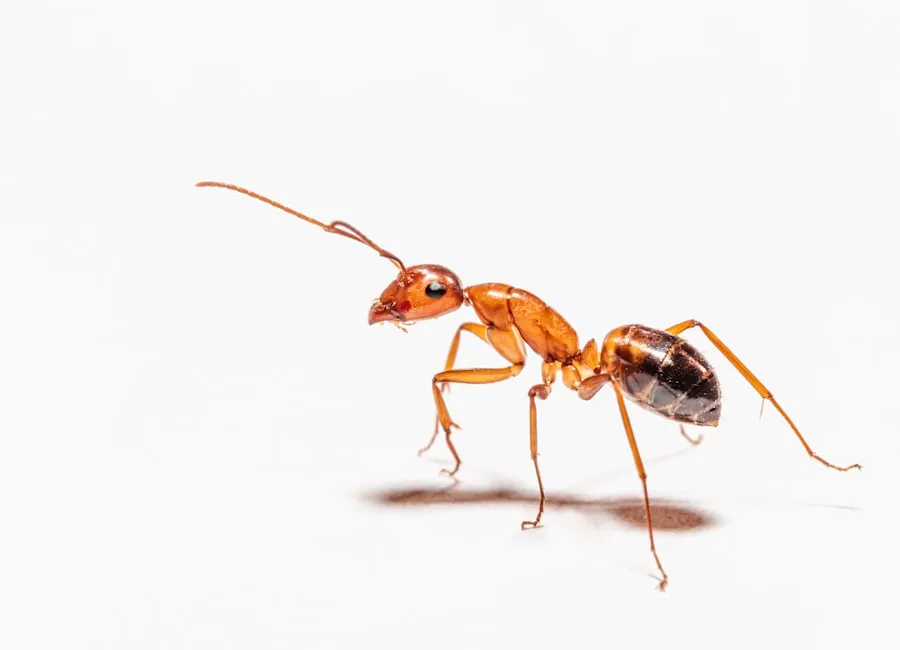
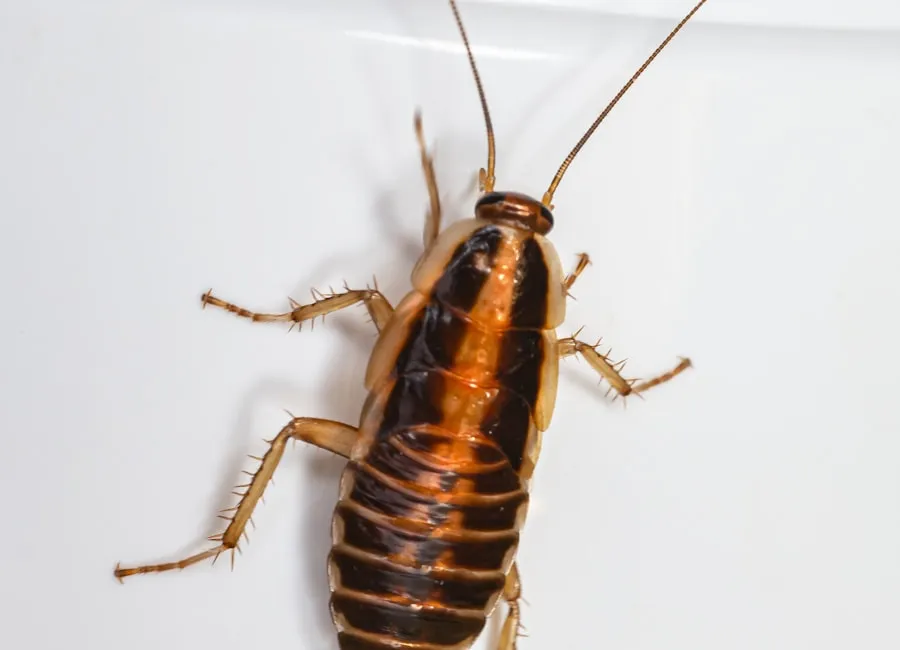
Quick answer: Keep ants out of your kitchen by removing the three things they come for — food, moisture and easy access. Store sweet foods in sealed containers, wipe up crumbs and spills including the ones you can't see under appliances, fix dripping taps, and seal the gaps ants use to get in. Break their scent trails with hot soapy water rather than reaching for the spray.
The kitchen is ground zero for ant problems in Sydney homes. It offers warmth, water and a constant supply of food, and ants are superb at exploiting all three. Prevention is far easier than eradication, and the habits below will make your kitchen genuinely unappealing to a foraging colony.
Understand why they target the kitchen
Ant scouts are constantly exploring. When one finds food, it lays a chemical pheromone trail back to the nest, and within hours dozens of workers are following that invisible highway to your bench. In warmer Sydney months, they are hunting water as much as food — a long dry spell will push black house ants and coastal brown ants indoors looking for moisture around the sink and dishwasher.
So kitchen ant prevention comes down to three jobs: cut off the food, cut off the water, and cut off the access.
Cut off the food
A wiped-down bench looks clean but ants work on a scale we don't notice. A single sugar granule is a meal. Focus on the spots people forget:
- Sealed storage. Move sugar, honey, syrup, biscuits and cereal into airtight containers. Ants walk straight into loosely folded packets.
- Under the appliances. Crumbs collect beneath the toaster, behind the fridge and under the oven. Pull them out and clean underneath every couple of weeks.
- The pet bowl. Dog and cat food is a magnet, especially overnight. Lift bowls after meals and wipe the floor, or stand the bowl in a shallow tray of water as a moat.
- The bin. Use a lid, empty it before it overflows, and rinse the inside occasionally. Sweet residue in the bottom draws ants for days.
- Recycling. Rinse cans, bottles and jars before they go in the tub. Fruit juice and beer residue are irresistible.
Ants can smell food in quantities far below what we'd ever notice on a "clean" bench. Prevention isn't about a spotless kitchen — it's about denying them the specific things they're hunting.
Cut off the water
Moisture is the overlooked half of the equation. Dripping taps, a leaking dishwasher connection, condensation trays and a wet dish rack all provide the water ants need. Fix leaks promptly, wipe the sink dry before bed, and don't leave saturated sponges or cloths on the bench overnight. In humid Sydney summers this single habit makes a real difference to how attractive your kitchen is.
Cut off the access
Ants are tiny and will exploit gaps you'd never think about. Older Sydney homes with timber frames and settled brickwork are full of them. Walk the kitchen and look for:
- Gaps around window and door frames.
- Cracks where the splashback meets the bench.
- Holes where water and gas pipes enter the wall under the sink.
- Weep holes and airbricks on the external wall behind the kitchen.
Seal obvious gaps with a suitable filler or sealant. Outside, trim any plants, shrubs or climbing vines touching the wall — branches act as bridges that let ants bypass ground-level barriers entirely and enter at window height.
Break the trail the right way
When you do see a trail, resist the aerosol. Wipe it down with hot, soapy water or a little diluted dish soap. This removes the pheromone highway so following ants lose their way. A spray of vinegar-water does the same job and leaves a scent ants dislike.
What matters is what you don't do: don't blast the trail with insecticide spray. Repellent surface sprays kill a few workers, contaminate your food-prep surfaces, and can trigger some species to split their nest and start fresh trails elsewhere. If you want to actually reduce numbers, place a slow-acting bait near the trail and let the workers carry it home.
A simple weekly routine
- Wipe benches and stovetop after the evening meal.
- Empty or seal the bin before bed.
- Dry the sink and put damp cloths through the wash.
- Lift the pet bowl and sweep the floor around it.
- Once a fortnight, clean under the toaster, fridge and oven.
Do these consistently and most kitchens stay ant-free without any chemicals at all.
Destroy the whole ant colony
Licensed Sydney technicians, same-day service, and 20% off your first inspection — on-site within an hour of confirmation.
Get Your Free QuoteWhen prevention isn't enough
If ants keep marching in despite a clean, dry, sealed kitchen, the nest is well established and prevention alone won't finish it. That is especially true with coastal brown ants nesting under the slab or Argentine ant super-colonies, which simply keep sending new foragers. At that point a targeted colony treatment is the efficient answer. Our ant control technicians can trace the trail back to the source and treat it directly. Book a free quote or contact us to talk through what you're seeing.
Frequently Asked Questions
Why do ants come into a clean kitchen?
Ants detect food and moisture in amounts far too small for us to notice — a crumb under the toaster or a damp sponge is enough. In dry weather they also come indoors purely for water. A kitchen can look spotless and still offer plenty.
What smells keep ants away?
Ants dislike vinegar, citrus, peppermint, cinnamon and coffee grounds. These can deter foragers and mask scent trails, but they don't kill the colony, so treat them as a helpful supplement to proper prevention rather than a cure.
Should I spray the ants I see on the bench?
No. Surface spray on a food-prep area contaminates your benches, only kills a handful of workers, and can cause some species to split their nest. Wipe the trail with hot soapy water and bait near it instead.
How do I stop ants getting to the pet bowl?
Lift the bowl between meals and wipe the floor, or stand it in a shallow tray of water so the ants can't cross the moat. Avoid leaving dry food out overnight.
Are kitchen ants a health risk?
They aren't as dangerous as cockroaches, but ants can walk over bins and drains and then across your food surfaces, so they can carry bacteria. Keeping them off preparation areas is worthwhile for hygiene.