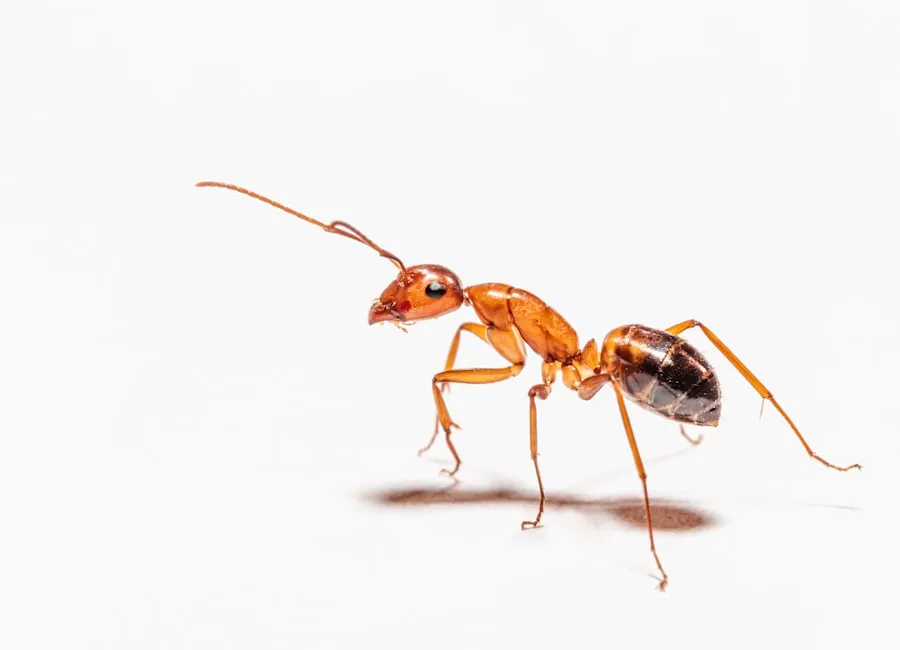
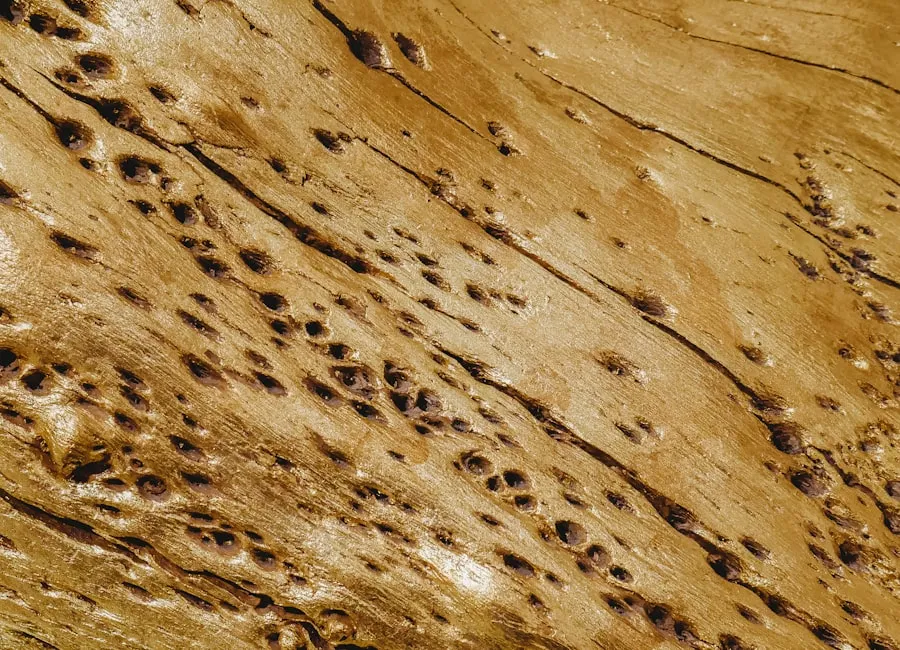
Quick answer: You cannot make any Sydney home entirely termite-proof, but you can dramatically lower the risk by controlling moisture, removing timber-to-soil contact, keeping the perimeter clear, maintaining a termite management system installed to AS 3660, and booking a professional inspection every twelve months. Prevention is far cheaper than repair.
Why Prevention Matters in Sydney
Sydney's climate and housing stock make termite pressure a constant. Warm, humid conditions, clay soils that hold moisture, and thousands of timber-framed and weatherboard homes give subterranean termites everything they need. The dominant local species, Coptotermes, is highly destructive and can forage tens of metres from a hidden nest. Because no product or barrier makes a home immune, prevention is really about risk reduction: making your property a harder, less attractive target and ensuring that if termites do approach, they are detected early.
The Australian Standard for termite management, AS 3660, frames prevention as a layered approach. No single measure is relied upon on its own. Instead, physical and chemical barriers, good building practice, moisture control and regular inspection work together. The sections below break that down into things you can actually do.
Control Moisture First
Termites need moisture to survive, and damp soil around a home is one of the strongest attractants. Managing water is the highest-value prevention step you can take.
- Fix leaks promptly. Dripping taps, leaking hot water systems, split downpipes and weeping air-conditioner overflows all create moist zones that draw termites in.
- Improve drainage. Ensure the ground slopes away from the building and that stormwater is carried well clear of the foundations.
- Ventilate the subfloor. A damp, poorly ventilated subfloor is a classic conducive condition. Clear vents and consider additional ventilation if the space feels humid.
- Direct hot water and A/C overflow away from the slab edge, not into the garden bed against the wall.
Remove Timber-to-Ground Contact
Any point where timber touches soil is a potential highway for termites to enter unseen. This is one of the most common conducive conditions technicians find in Sydney.
- Store firewood, offcuts and landscaping timber off the ground and away from the house, never stacked against a wall or under the deck.
- Replace timber garden stakes, retaining sleepers and fence posts that contact the soil against the building with treated or non-timber alternatives.
- Keep mulch shallow and pulled back from the slab edge and weep holes; deep mulch beds against a wall trap moisture and hide activity.
- Make sure the weep holes in brickwork remain clear and above the soil and paving line so they can be inspected.
Most termite entries into Sydney homes exploit a concealed pathway: a garden bed built up over the slab edge, a paved patio covering the weep holes, or a timber deck bearing directly on the ground. Prevention is often as simple as keeping those pathways visible and interrupted.
Keep the Perimeter Clear and Inspectable
A key principle in AS 3660 is that the base of the wall and the slab edge should remain visible so termite entry can be detected. Anything that conceals that zone works against you.
- Maintain a clear, inspectable strip of at least 75 mm between the finished ground or paving level and the top of the slab or the start of the weep holes.
- Avoid rendering or tiling over the slab edge, which lets termites enter behind the finish, completely hidden.
- Trim garden beds, plants and lawn back from the wall so the perimeter can be walked and checked.
- Do not build planter boxes, garden beds or paths hard up against the house without a proper barrier and inspection provision.
Protect your home from termites
Licensed Sydney technicians, thorough inspections, and 20% off your first inspection — on-site within an hour of confirmation.
Get Your Free QuoteInstall and Maintain a Termite Management System
For new builds and major renovations, a termite management system installed to AS 3660.1 is required and forms the primary line of defence. For existing homes, a professionally installed barrier is one of the most effective prevention measures available.
There are two broad categories, covered in detail in our guide comparing barrier types:
- Physical barriers such as stainless-steel mesh or graded stone particle systems, which force termites into the open where they can be seen rather than killing them.
- Chemical barriers, a treated zone of soil around and under the building using a registered termiticide, some of which are transferred through the colony.
Whichever system is used, it has a service life and must be maintained. Chemical treated zones deplete over time and require periodic replenishment, and any barrier can be bridged by later landscaping or paving. A management system is a tool to reduce risk, not a set-and-forget guarantee, which is why ongoing inspection remains essential.
Inspect Every Year — Without Exception
The single most important ongoing prevention measure is the annual professional inspection. AS 3660 and industry best practice recommend a competent inspection at least once every twelve months, and more often on high-risk properties or where activity has occurred before. Regular inspection does not stop termites arriving, but it ensures they are found while the problem is small and inexpensive to resolve.
| Prevention measure | Effort | Impact on risk |
|---|---|---|
| Fix leaks and improve drainage | Low to moderate | High |
| Remove timber-to-soil contact | Low | High |
| Keep slab edge/weep holes clear | Low | High |
| Install a management system (AS 3660) | Professional | High |
| Annual professional inspection | Professional | Very high |
What Prevention Cannot Do
It is important to be honest: no combination of these measures eliminates the risk entirely. Termites are persistent, and a determined colony can find a gap. The goal of prevention is to reduce the likelihood of entry and to guarantee early detection through inspection, so that if activity does appear, professional termite treatment can be applied before real damage occurs. If you would like a technician to assess your property's specific risk factors, request a free quote or contact us.
Frequently Asked Questions
Can I prevent termites myself, or do I need a professional?
You can and should handle the housekeeping measures, moisture control, timber storage and keeping the perimeter clear, yourself. However, installing a management system and carrying out inspections requires licensed, standards-trained technicians and the correct registered products.
Do termite chemical barriers last forever?
No. Registered termiticides create a treated zone with a defined service life that depletes over time and eventually needs replenishment. The exact interval depends on the product, soil type and conditions, and should be confirmed with your technician.
Does mulch really attract termites?
Mulch itself is a minor food source, but the real problem is that deep mulch beds against a wall hold moisture and conceal the slab edge, creating both an attractant and a hidden entry point. Keep mulch shallow and clear of the building.
I have a barrier installed, do I still need inspections?
Yes, absolutely. A barrier reduces risk but can be bridged or can deplete, and it does not detect termites for you. Annual inspections remain essential regardless of what protection is in place.
Are brick or rendered homes safe from termites?
No. Brick veneer and rendered homes almost always have a timber frame behind the masonry, and termites readily enter through cracks, cavities and the slab edge. Construction type does not remove the need for prevention and inspection.