Quick answer: The tell-tale signs of a possum in your roof are heavy, deliberate thumping around dusk and dawn, loud hissing or coughing calls at night, a strong musky smell, and large droppings in the ceiling void. Possums are much heavier-footed than rats, so if it sounds like something the size of a cat is walking across your ceiling, it probably is a possum, which is a protected native animal that must be removed humanely.
Possum or rat? Start by listening
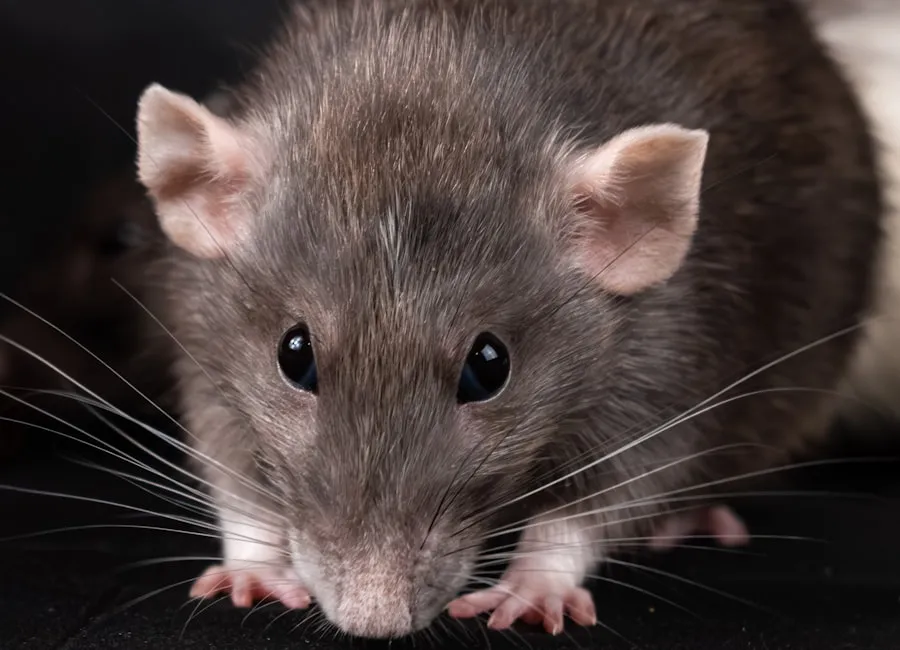
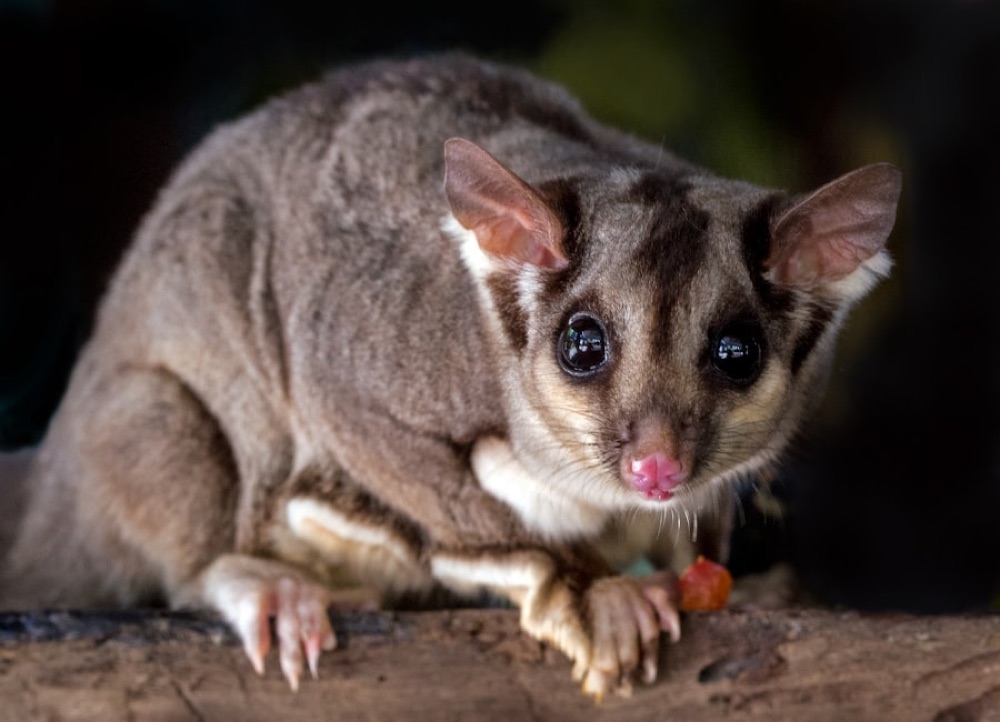
The single most useful clue is the weight of the sound. Rats and mice scurry, scratch and scamper in quick bursts, usually along the edges of the roof. A possum walks. You will hear slow, heavy, deliberate footsteps, sometimes described as sounding like a person or a small dog moving across the ceiling. When a brushtail possum lands after a jump, it can produce a genuine thud that makes people sit up in bed.
Timing matters too. Possums are nocturnal and territorial, so activity clusters sharply around dusk (when they leave to feed) and dawn (when they return). If your ceiling comes alive at roughly the same time each evening and quietens overnight, that pattern fits a possum far better than a rat, whose activity is more scattered through the night.
The sounds a possum makes
- Heavy thumping and thudding as it moves and jumps, especially at dusk and dawn.
- Hissing, coughing and clicking calls — brushtail possums make a distinctive throaty, guttural hiss that carries through the ceiling.
- Screeching or grunting, particularly during territorial disputes or in mating season.
- Scratching as it settles into a nest spot, though this is less frantic than rat scratching.
Signs you can see and smell
Sound tells you something is there; the physical evidence tells you what. If you can safely access the ceiling void, or spot signs from outside, look for the following.
Droppings
Possum droppings are far larger than rat droppings. Where a rat leaves scattered grains a few millimetres long, possum droppings are cylindrical pellets roughly 1 to 2 centimetres long, often clustered where the animal rests. Brushtail droppings tend to be larger than ringtail droppings. You will usually find them concentrated in one area rather than trailed everywhere.
Smell
A possum living in your roof produces a strong, distinctive musky odour that builds over time. Because possums often urinate in the same spot, you may notice staining on the ceiling plaster below and a smell that seeps into the rooms beneath. This is one of the most common reasons people finally call for help.
Entry points and rub marks
Possums need surprisingly little space to get in — a gap of around 7 centimetres is enough for a brushtail. Look for:
- Gaps under eaves, broken or lifted roof tiles, and holes in fascia or bargeboards.
- Greasy brown rub marks around entry holes, left by the possum's fur as it squeezes through the same spot repeatedly.
- Overhanging tree branches that give easy roof access — possums are excellent climbers and jumpers.
- Damaged insulation or a flattened, matted nesting area in the roof void.
A quick comparison table
| Sign | Possum | Rat |
|---|---|---|
| Footsteps | Heavy, slow, deliberate thumps | Light, fast scurrying and scratching |
| Peak activity | Sharp spikes at dusk and dawn | Scattered through the night |
| Droppings | Large pellets, 1–2 cm, clustered | Small grains, 3–6 mm, scattered |
| Calls | Loud hissing, coughing, screeching | Mostly silent; occasional squeaks |
| Smell | Strong musky odour, urine staining | Milder, ammonia-like if heavy infestation |
If the noise sounds far too big to be a rodent, trust that instinct. People rarely mistake a rat for a possum once they have heard a brushtail land on the ceiling. The heavy, unmistakable thud is the giveaway.
Why identifying the species early matters
Getting the identification right shapes everything that follows. If it is a rat, you are dealing with a declared pest and standard rodent control applies. If it is a possum, you are dealing with a protected native animal under the NSW Biodiversity Conservation Act 2016, and the removal must be humane, on-site, and often best handled by a licensed operator. Treating a possum problem like a rat problem — with baits or by simply blocking the hole — is both ineffective and potentially unlawful, and blocking an entry can trap the animal or its young inside.
There is also a welfare and timing dimension. Possums breed in Sydney across much of the year, and a female in your roof may have a joey. That changes how and when the roof can be safely sealed, which is why an inspection is worth doing before you take any action.
Licensed, humane possum removal
NSW-licensed wildlife handlers, same-day service, and 20% off your first inspection — on-site within an hour of confirmation.
Get Your Free QuoteWhat to do once you suspect a possum
- Confirm the pattern. Note the times you hear activity for a night or two — dusk and dawn spikes point to a possum.
- Do not block the hole yet. Sealing an entry with the animal or its young still inside is inhumane and unlawful.
- Avoid baits. Rodent baits are illegal to use against possums and dangerous to native wildlife and pets.
- Book an inspection. A licensed handler will confirm the species, find every entry point, and check for young before anything is sealed.
If the signs above sound familiar, our team can confirm what is in your roof and deal with it properly. Explore our licensed possum removal service, request a free quote, or contact us on 0468 070 392.
Frequently Asked Questions
How do I know if it is a possum and not a rat in my roof?
Listen to the weight and timing of the sound. Possums make heavy, deliberate thumps that spike at dusk and dawn, while rats scurry lightly and scatter their activity through the night. Large clustered droppings and a strong musky smell also point to a possum.
Are possums in the roof dangerous?
They are not aggressive if left alone, but their urine can stain and rot ceilings, their droppings create odour and mess, and their movement can damage insulation and wiring. The bigger risk is doing the wrong thing legally, since possums are protected.
Can I just block the hole once the possum leaves at night?
We strongly advise against DIY blocking. You may seal a joey inside, or trap the animal if your timing is wrong, both of which are inhumane and unlawful. A licensed handler confirms the roof is empty and checks for young before sealing.
Why does my roof smell even though I have not seen anything?
Possums repeatedly urinate in the same spot, producing a strong musky smell and staining the ceiling below. The smell often appears before you ever see the animal, so it is a reliable early sign worth investigating.
How fast can you inspect my roof?
We offer same-day service across Sydney and can usually be on-site within an hour of confirmation. Call 0468 070 392 or request a free quote and we will identify what is in your roof.