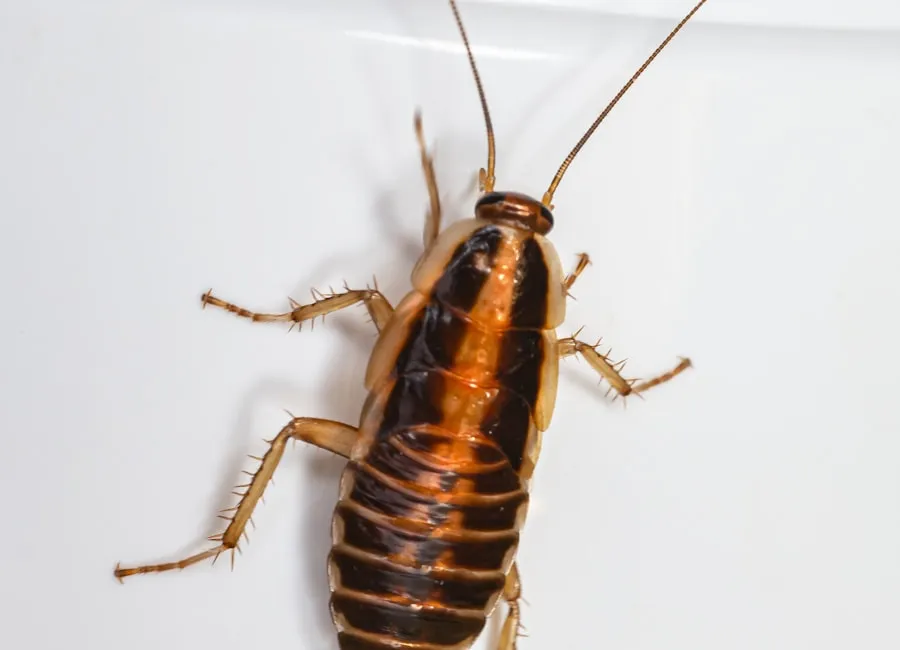
Quick answer: If you are moving out of a Sydney rental with pets, plan for a professional flea treatment as one of your final jobs, done after the property is empty and cleaned. Check your lease for a flea or pest clause, book a licensed technician, and keep the receipt to give your agent. Follow the checklist below in order and you will avoid the most common bond hold-ups.
Why pets need their own checklist
Moving with pets adds a layer to your end-of-lease routine that pet-free tenants simply do not face. Cats and dogs can leave behind flea eggs, larvae and pupae in carpets, rugs, skirting boards and cracks in the flooring. These can lie dormant and hatch weeks later, which is exactly why Sydney agents so commonly ask departing pet owners for a professional flea treatment. A checklist keeps you from missing a step and from doing things in the wrong order, which is where most people come unstuck.
The order of operations is the thing tenants get wrong most often. Treat too early, or before cleaning, and you undercut the result the agent is going to inspect.
Step 1: Read your lease and pet agreement
Before booking anything, dig out your tenancy agreement and any pet agreement. Look for wording requiring professional flea treatment or pest control at the end of the tenancy. If that clause exists and you had pets, the treatment is effectively required. If there is no clause, your agent may still reasonably request a treatment because pets create a genuine flea risk. Either way, knowing where you stand stops you from over-paying or under-preparing.
Step 2: Book the treatment for the right day
Timing is everything with fleas. Book your end of lease pest control for after the property is empty and cleaned, ideally the day before your final inspection. This does two things: it lets the technician reach skirting boards, cupboards and corners that furniture would otherwise block, and it means the treated condition is what the agent actually sees.
- Confirm the technician is licensed in NSW.
- Ask that the flea treatment is named specifically on the receipt.
- Coordinate the date with your carpet cleaning and final inspection.
Step 3: Get the cleaning order right
Cleaning and pest control are not independent tasks — they work together. Vacuuming before a flea treatment is genuinely useful because the vibration and warmth encourage dormant flea pupae to hatch, so the treatment product can reach the newly emerged fleas rather than being blocked by their tough cocoons. The correct sequence is:
- Remove all furniture and belongings.
- Do your general end-of-lease clean.
- Have the carpets professionally cleaned, or thoroughly vacuum them.
- Then carry out the flea treatment.
- Follow the technician's advice on ventilation and re-entry.
Doing the flea treatment before the carpet clean is a common and costly mistake — the cleaning can undo some of the treatment, and you lose the timing benefit of vacuuming first.
Step 4: Handle your pet on the day
Do not overlook the animal itself. A property treatment addresses the environment, but if your pet still carries fleas, the problem can travel with you to your new home. On or around treatment day:
- Keep pets out of the property while it is being treated and until the technician says it is safe to return.
- Make sure your pet is on an up-to-date flea prevention product from your vet.
- Wash pet bedding you are taking with you.
This protects both the property you are leaving and the home you are moving into.
Bond-ready pest treatment with a receipt
Licensed Sydney technicians, agent-approved receipt, same-day slots, and 20% off your first inspection — on-site within an hour of confirmation.
Get Your Free QuoteStep 5: Collect and send the receipt
The treatment only counts, from your agent's point of view, if you can prove it. As soon as the job is done, collect a receipt that shows the business name and licence details, the exact property address, the treatment date, and the type of treatment with the flea treatment named. Send a copy to your agent and keep the original with your other move-out documents. This single step is what turns a completed treatment into a smooth bond release.
The complete pet move-out checklist
Here is the whole sequence in one place, so you can work through it without missing anything.
- Read your lease and pet agreement for pest or flea clauses.
- Confirm with your agent, in writing, what they expect.
- Book a licensed technician for after the clean, day before inspection.
- Remove all furniture and belongings.
- Complete the general end-of-lease clean.
- Clean and vacuum the carpets.
- Carry out the flea treatment.
- Keep pets away until it is safe to return.
- Ensure your pet is on current flea prevention.
- Collect the receipt and send a copy to your agent.
- File the original with your bond paperwork and final photos.
A realistic word on expectations
Because flea pupae are so hardy and can hatch over an extended period, no honest technician will promise a single visit makes a property flea-free forever. What a professional treatment does is provide proper, documented flea control at the point of handover — which is precisely what your agent is asking for. If your circumstances are unusual, for example a heavy pre-existing infestation, talk to your provider about whether a follow-up is sensible.
If you would like help timing your treatment around your move or confirming what your agent's receipt should show, you can contact us or request a free quote. Getting the sequence right is usually the difference between a same-day bond release and a frustrating wait.
Frequently Asked Questions
Do I definitely need a flea treatment because I had a pet?
Very likely. If your lease has a flea or pest clause, it is effectively required. Even without one, agents commonly request a professional flea treatment for pet owners because of the genuine flea risk, and many tenants do it to avoid a dispute.
Should I treat before or after cleaning the carpets?
After. Clean and vacuum the carpets first, then carry out the flea treatment, ideally the day before your final inspection. Vacuuming first helps the treatment reach dormant fleas.
Do I need to treat my pet as well as the property?
Yes, ideally. A property treatment handles the environment, but keeping your pet on current vet-recommended flea prevention stops the problem travelling to your new home.
What must the receipt show for my agent?
The business name and licence details, the exact property address, the treatment date, and the treatment type with the flea treatment named. Send a copy to your agent straight away.
Will one flea treatment keep the property flea-free for good?
No provider can honestly promise that, because flea pupae can hatch over weeks. A professional treatment provides documented control at handover, which is what your agent needs to see.