Quick answer: In New South Wales, possums are protected native animals under the Biodiversity Conservation Act 2016. You are allowed to trap a possum that is inside your house or roof and release it on your own property, but you cannot legally harm it, keep it, or relocate it away from your home. Getting this wrong can lead to penalties, so when in doubt, use a licensed wildlife handler.
Why possums are protected
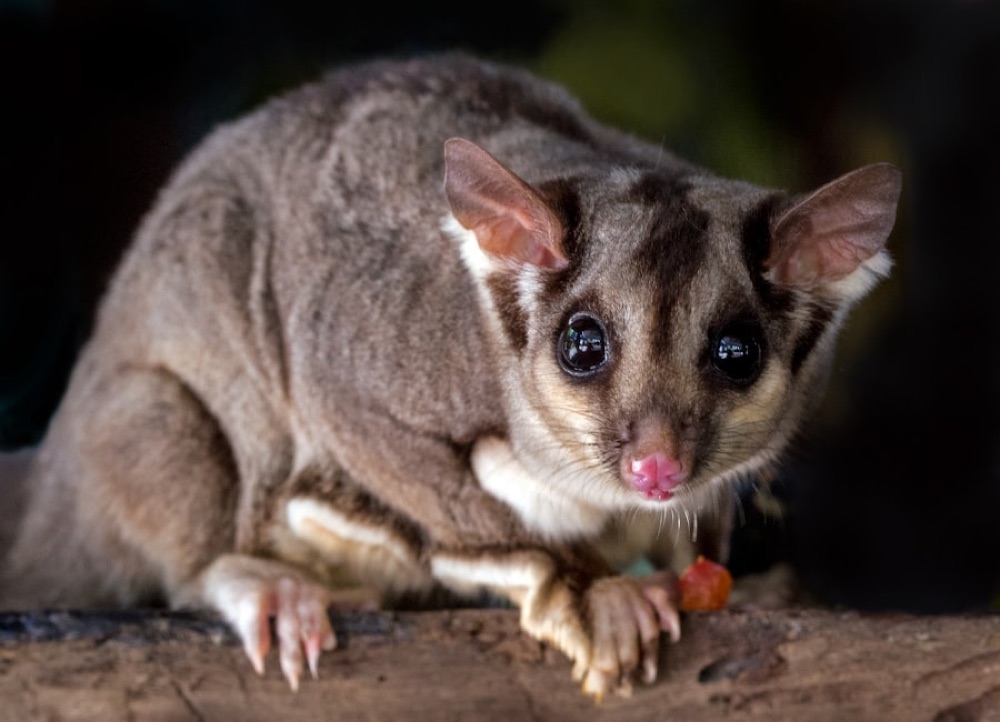
Common brushtail and ringtail possums are native Australian marsupials, and like most native wildlife they are protected by law throughout NSW. The protection is administered by the state's environment authority, and it exists because possums play a role in the local ecosystem and because they are extremely vulnerable to stress, injury and displacement. What looks like a nuisance in your ceiling is, legally, a protected animal in its own territory.
This protection is not a minor technicality. It shapes what every homeowner and every pest operator can lawfully do, and it is the reason possum jobs are handled so differently from rodent control.
What you CAN do
- Trap a possum that has entered your house or roof. If a possum is living in your building, you may trap it under the general conditions that apply in NSW.
- Release it on your own property. The animal must be released nearby, on the same or adjoining land, within the required time and distance.
- Seal your roof to keep it out. Once the roof is confirmed empty, you can and should proof it against re-entry.
- Trim trees and remove access routes, subject to any local council tree-preservation rules.
- Provide a nest box to give the displaced possum an alternative shelter.
- Engage a licensed wildlife handler or pest operator to do the work for you.
What you CAN'T do
- Harm, injure or kill a possum. This is unlawful and carries significant penalties.
- Relocate it away from your property. Dumping a possum in bushland, a park, or "down the road" is illegal and usually fatal to the animal.
- Keep a possum as a pet or hold it captive.
- Poison it. Using rodent baits against possums is illegal and dangerous to wildlife and pets.
- Seal it — or its young — inside the roof, which is both inhumane and a welfare offence.
- Interfere with a possum that is simply living in your garden or trees; the law protects it there, and it is not a pest to be removed from outdoor spaces.
The rule that trips up almost everyone: a trapped possum must be released within 24 hours, at night, and within 50 metres of where it was captured, on the same or adjoining property. It cannot be taken anywhere else. Relocation is not a kindness — it is illegal and it kills the animal.
The on-site release rule, explained
The reason you cannot simply drive a possum to the bush comes down to biology. Possums are intensely territorial. A brushtail released into unfamiliar territory is set upon by resident possums, has no known food sources or shelter, and is exposed to predators. Studies and field experience consistently show that relocated possums usually die within days.
So the law keeps the animal where it can survive — in its own patch — and instead requires you to remove its access to the roof. That is why sealing is not an optional extra; under the framework NSW operates, it is the actual solution. Release nearby, then close the roof, and the possum moves to a tree or nest box rather than back into your ceiling.
Dependent young and animal welfare
Possums breed across much of the year in Sydney, and a female in your roof may be carrying or nursing a joey. Sealing a roof, or trapping and removing a mother without accounting for young, can leave babies to die inside. Beyond the obvious cruelty, this breaches animal welfare obligations. A responsible handler always checks for dependent young before any roof is sealed, and manages the mother and joey together. If you are acting yourself, this is one of the strongest reasons to get an inspection first — hidden young are easily missed.
When you need a licensed handler
While a homeowner can trap and release on-site under the general conditions, there are situations where a licensed operator is the right, and sometimes necessary, choice:
- An injured or sick possum, which requires proper care and, often, a wildlife rehabilitator.
- A possum trapped in a wall cavity, chimney or other tight space.
- Suspected or confirmed dependent young.
- Repeated re-entry, multiple entry points, or difficult roof access.
- Any situation where you are unsure of your legal obligations.
Licensed handlers hold the relevant authorisations, use compliant equipment, and know how to complete the job humanely and lawfully. Using one protects both the animal and you.
Licensed, humane possum removal
NSW-licensed wildlife handlers, same-day service, and 20% off your first inspection — on-site within an hour of confirmation.
Get Your Free QuoteCommon myths worth clearing up
- "I can take it to the bush where it will be happier." False. This is illegal and almost always kills the possum. It must be released on-site.
- "It's my roof, so I can do what I like with the animal." False. Protection applies regardless of whose property the possum is on.
- "Blocking the hole is the quickest fix." Only after the roof is confirmed empty. Blocking an occupied roof traps the animal and any young.
- "A bit of bait will sort it out." False and dangerous. Poisoning a possum is illegal and harms other wildlife and pets.
The responsible path
The good news is that the legal way and the effective way are the same way: get the possum out humanely, confirm there are no young, seal the roof thoroughly, and offer an alternative shelter. It keeps you compliant with NSW law, keeps the animal alive, and actually solves the problem for the long term. If any of it feels beyond a confident DIY job, that is exactly what licensed handlers are for.
For lawful, humane help, see our licensed possum removal service, request a free quote, or contact us on 0468 070 392. Please note this article is general information, not legal advice; for specific legal questions, consult the NSW environment authority or a qualified adviser.
Frequently Asked Questions
Is it illegal to kill a possum in NSW?
Yes. Possums are protected native animals under the Biodiversity Conservation Act 2016, and harming, injuring or killing one is unlawful and carries significant penalties. Removal must be humane and lawful.
Can I relocate a possum to bushland or a park?
No. A trapped possum must be released within 50 metres of where it was caught, on your own or adjoining property, within 24 hours. Relocating it further away is illegal and almost always kills the territorial animal.
Do I need a licence to remove a possum from my roof?
You can trap and release a possum on your own property under the general conditions in NSW without an individual licence, but you cannot harm, keep or relocate it. Injured animals, hidden young, or complex situations are best handled by a licensed operator.
Is it legal to block possums out of my roof?
Yes, once the roof is confirmed empty and free of dependent young. Sealing an occupied roof, or one with a joey inside, is inhumane and a welfare offence, so the roof must be cleared first.
What should I do if I find an injured possum?
Do not attempt to keep or treat it yourself. Contact a licensed wildlife handler or rehabilitation group for proper care. You can also call us on 0468 070 392 and we will point you in the right direction.