Quick answer: For most Sydney businesses, the biggest cost of a pest is not the treatment — it is the reputation damage from a single sighting shared online. Protecting your brand means preventing activity through a discreet, documented pest control program and having a calm, prepared response if something is ever spotted. Prevention and preparation together are what keep your name clean.
Why reputation is the real stake
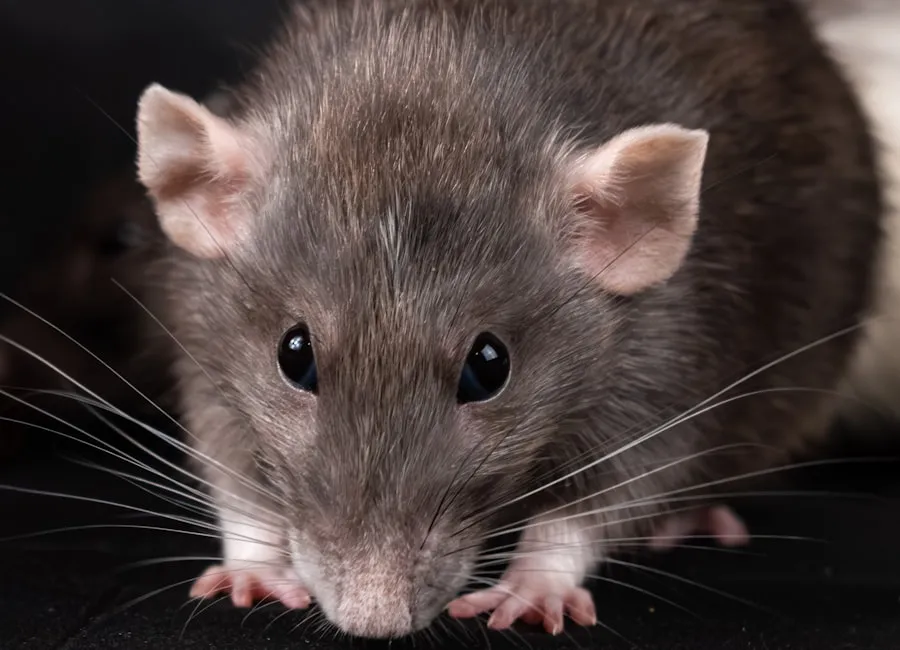
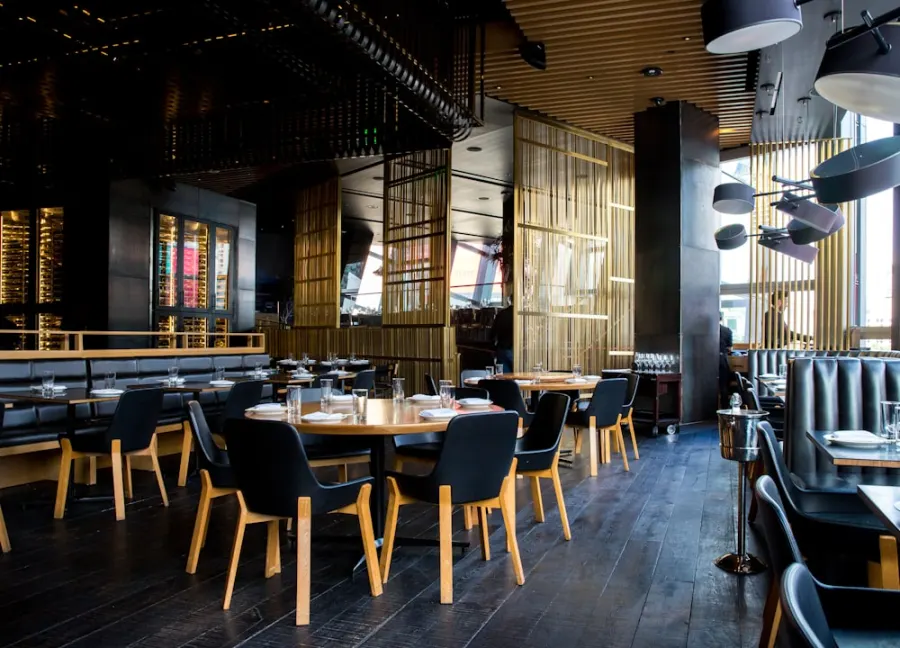
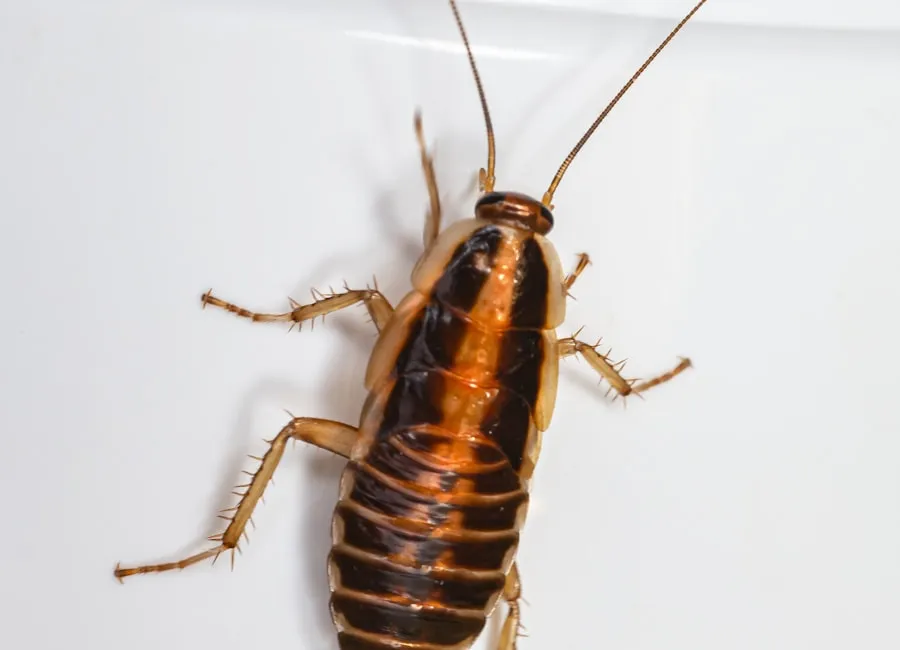
A customer who sees a cockroach scuttle across a café floor or a mouse in a retail stockroom rarely keeps it to themselves. One photo posted to Google, Instagram or a local Facebook group can reach thousands of people in your own suburb before you have even noticed. In hospitality especially, a venue can spend years building goodwill and lose a meaningful slice of it in an afternoon.
The uncomfortable truth is that customers do not distinguish between "an isolated incident" and "a dirty business." They see a pest, and they draw a conclusion about your hygiene, your food and your care. That is why reputation, not compliance alone, is often the strongest reason to invest in prevention.
You cannot control whether a pest wanders in from next door. You can control whether it finds a home in your premises, and whether you are ready to respond if it appears.
Prevention is the best reputation insurance
The most reliable way to protect your name is to stop activity before a customer ever sees it. A structured commercial pest control program does exactly that through continuous monitoring and early intervention. Key elements that keep problems out of sight include:
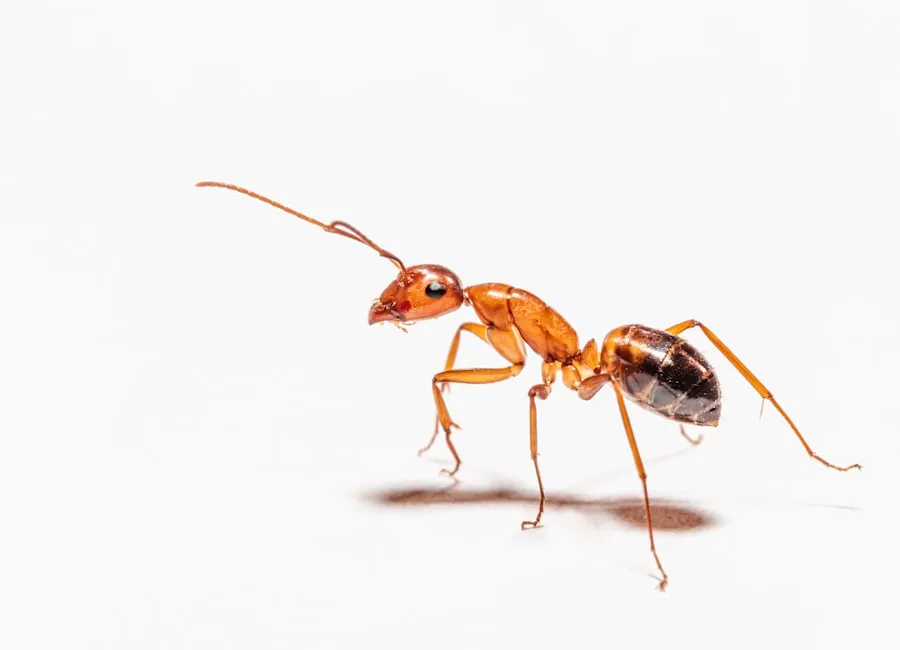
- Regular inspections that catch early signs — droppings, gnaw marks, egg cases — before numbers build.
- Monitoring devices placed discreetly so activity is detected in back-of-house, not front-of-house.
- Proofing and exclusion of the gaps, drains and door seals pests use to enter.
- Prompt response between scheduled visits when staff log a sighting.
Because much of this happens away from customers, a well-run program is largely invisible — which is precisely the point. The best outcome is that your customers never have a reason to think about pests at all.
Discretion matters as much as treatment
How pest control is delivered affects your reputation too. A technician arriving in a heavily branded van at lunchtime, or working in the dining room during service, sends the wrong signal to customers who happen to be watching. Professional providers offer:
- After-hours and early-morning visits so treatment happens when you are closed.
- Discreet arrival and unmarked or low-key presentation where requested.
- Tamper-resistant, unobtrusive monitoring devices rather than visible traps.
- Clean, tidy work that leaves no trace before you reopen.
Compliant, discreet commercial pest control
Licensed Sydney technicians, audit-ready documentation, after-hours service, and 20% off your first inspection — on-site within an hour of confirmation.
Get Your Free QuoteYour documentation is a reputation asset
If activity is ever raised — by a customer, a council officer or an auditor — a complete pest control file changes the conversation entirely. Instead of appearing negligent, you can demonstrate a licensed technician has been servicing the site on a regular schedule, that findings are recorded and acted on, and that you take hygiene seriously. Service reports, a site map and a pest sighting log are not just compliance paperwork; they are evidence of diligence that protects your standing with regulators and, if needed, with the public.
Having a response plan ready
Even the best program cannot promise a pest will never appear, particularly in shared buildings and busy CBD strips where pressure comes from neighbours. What separates businesses that recover quickly from those that suffer lasting damage is preparation. A simple internal plan should cover:
- Contain and remove — staff know to discreetly address the immediate situation without alarming customers.
- Record it — log the sighting with time and location so your technician can investigate the cause.
- Call your provider — arrange a prompt response visit rather than waiting for the next scheduled one.
- Handle feedback honestly — if a customer raises it, acknowledge, apologise, and describe the action taken without being defensive.
- Follow up — confirm the root cause is fixed and note it in your records.
A measured, honest response — backed by a real program you can point to — often turns a potential crisis into a demonstration that your business is on top of things.
Responding to reviews the right way
If a pest-related review does appear, resist the urge to argue publicly. A short, professional reply that thanks the customer, states you take hygiene seriously, and notes that you engage licensed pest control and have investigated, reassures the far larger audience of readers who will judge you by how you respond. Never dispute or belittle the customer in public. Handled well, your response can leave a better impression than the complaint itself.
Protecting a hard-won name
Reputation is one of the most valuable assets your business owns and one of the easiest to damage. The combination of consistent prevention, discreet service, solid documentation and a ready response plan is what keeps it intact. If you want to review how well your current arrangements protect your brand, you can request a free quote or contact us for a confidential discussion.
Frequently Asked Questions
How much can one pest sighting really damage my business?
More than most owners expect. A single photo shared online can reach a large local audience quickly, and customers tend to judge overall hygiene from one incident. The reputational cost often dwarfs the price of prevention.
Can pest control be done without customers noticing?
Yes. Reputable providers offer after-hours visits, discreet presentation and unobtrusive monitoring devices, so treatment happens away from public view and your premises are ready before you reopen.
What should staff do if a customer spots a pest?
Address it discreetly, log the sighting, contact your pest provider for a prompt visit, and respond to the customer honestly with an apology and the action taken. A calm, prepared response limits the damage.
Should I respond to a bad review that mentions pests?
Yes, professionally and briefly. Acknowledge the customer, note that you use licensed pest control and have investigated, and avoid arguing. Your reply speaks to the wider audience reading it.
Does having documentation actually help my reputation?
It does. A complete service history lets you show regulators, auditors and, if necessary, the public that you engage licensed technicians and act on findings — evidence of diligence that reframes an incident as an exception, not a pattern.