Quick answer: Rats in the roof are more than a nuisance — they chew electrical wiring (a real house-fire risk), spread disease through droppings and urine, and destroy insulation. And the supermarket baits most people reach for often fail, because they don't fix the entry points, kill rats where they die and smell, and put pets and native wildlife at risk of secondary poisoning. Lasting control needs treatment plus proofing, not a block of bait in the ceiling.
Almost every week we get called to a Sydney home where someone has been throwing baits into the roof void for months and the scratching just won't stop. It's a frustrating, expensive cycle — and it's usually built on a few misunderstandings about what rats actually do up there and why baits alone rarely win. Here's the honest picture.
The real dangers of rats in the roof
1. Fire risk from chewed wiring
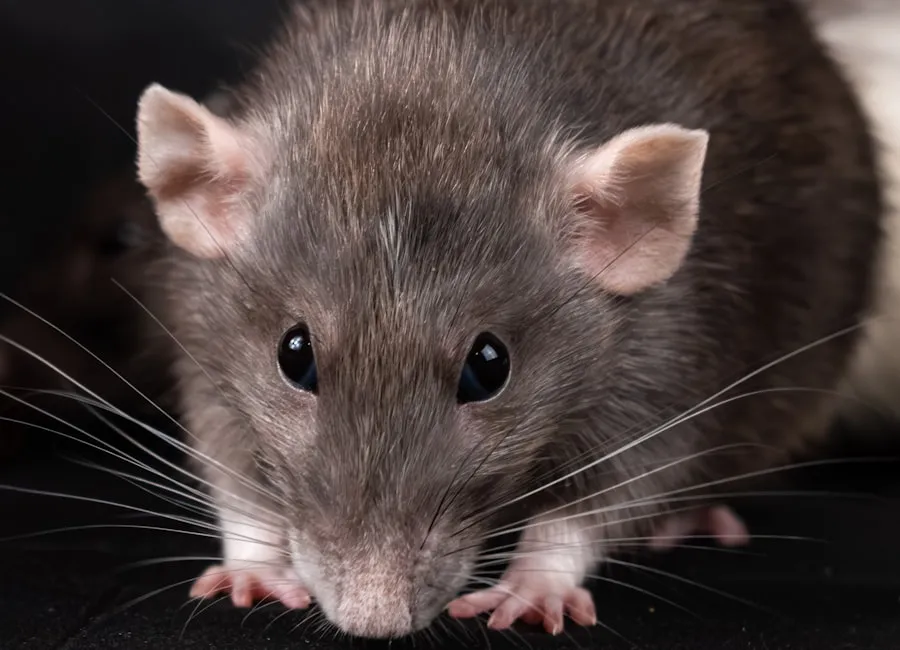
This is the danger people underestimate most. A rat's incisors never stop growing, so it gnaws constantly — and electrical cabling is a favourite target. Stripped or exposed wiring in the roof void is a recognised cause of electrical faults and house fires, and it's a common thread in insurance claims on older Sydney homes. You can't see it happening, which is exactly what makes it dangerous.
2. Health risks
Rats and mice carry and spread disease through their droppings, urine and the parasites they bring in. In Sydney the concerns include leptospirosis, salmonella and the fleas and mites that come with rodents. Contaminated dust from a rat-infested roof void can drift down through downlights and vents into living spaces below, which is a real concern in homes with children or anyone with respiratory issues.
3. Structural and insulation damage
Rats shred insulation batts to build nests, wrecking your ceiling's thermal performance and pushing up energy bills. They gnaw timber, and they'll chew through water lines, air-conditioning ducting and even pool tubing. The mess of droppings, urine and nesting material also creates the persistent musty smell that seeps into bedrooms.
The scratching keeps you up at night, but the wiring is the real problem. By the time you can hear rats or smell them, assume they've already been chewing near your cables — that's the danger that turns a nuisance into a hazard.
Why DIY baits fail so often
Reaching for a box of bait feels like the obvious move. Here's why it so rarely ends the problem — and sometimes makes it worse.
They don't fix the entry point
This is the big one. Bait empties the current nest, but the roofline gap that let the rats in is still wide open. Rats constantly move along Sydney's tree canopies and power lines, so within weeks a new lot follows the scent trail into the same warm, empty void. You're not solving the problem — you're running a feeding station.
Rats die where you can't reach them
Bait works slowly, so a poisoned rat crawls off to die — usually deep in a wall cavity or under insulation. The result is a heavy smell of decay that can last one to two weeks, and there's often nothing you can do but wait it out. In an occupied home this is a genuine downside that traps and stations avoid.
Secondary poisoning of pets and wildlife
This matters more than most people realise. When a rat eats bait and then a dog, cat, kookaburra or powerful owl eats the dying rat, the poison passes up the food chain. Sydney's native owls and other predators are increasingly affected by second-generation rodenticides, and family pets are poisoned this way too. Loose baits in a roof void are exactly the scenario that causes it.
Wrong placement and stale bait
Rats run tight to walls and beams and are neophobic — wary of new objects. Bait tossed into the middle of a void, or a block that's been baking in the garage for two years, often gets ignored while the population keeps breeding. Placement and freshness matter enormously, and they're hard to get right from the manhole.
Seal rodents out for good
Licensed Sydney technicians, same-day service, and 20% off your first inspection — technician on-site within an hour of confirmation.
Get Your Free QuoteWhat actually works
Ending a roof infestation for good takes a combined approach:
- Inspection. Identify the species, find the nest, and — crucially — locate every entry point on the roofline.
- Targeted treatment. Traps and lockable, tamper-resistant bait stations placed on active runs, safely away from pets and wildlife.
- Proofing. Seal the roof gaps, eaves and shared-wall penetrations with steel, mesh and flashing so the vacancy can't be refilled.
- Cut off access and food. Trim roofline trees and palms back a metre, remove creepers, and secure food sources.
- Follow up. Confirm activity has stopped and check the seals hold.
The order matters: knock the numbers down first, seal second, so you don't trap rats inside the void. This is the difference between a fix and a monthly bait bill.
A note for Sydney terraces and leafy suburbs
Roof rats thrive where there's tree cover and connected rooflines — the leafy North Shore and Inner West, and terrace rows in Paddington, Surry Hills and Glebe where rats move between homes along shared ceilings. In these homes DIY baiting is especially futile, because the rats you poison are simply replaced by ones crossing from next door. Sealing the shared-wall and roofline penetrations is the only thing that holds, and it's usually a job for a licensed technician who can safely access the void.
When to call in the pros
If you've been baiting the roof for more than a few weeks with no lasting result, that's your sign — you almost certainly have an open entry point that needs sealing, and possibly chewed wiring worth inspecting. Our licensed, insured technicians have cleared rats from 1000+ Sydney roofs and hold a 4.9-star rating, and we always pair treatment with proofing so the problem actually ends. Read about our rodent control service, book a free quote, or contact us to get a technician into your roof void.
Frequently Asked Questions
Can rats in the roof really start a fire?
Yes. Rats gnaw constantly and frequently chew electrical cabling in the roof void, exposing live wires. Damaged wiring is a recognised cause of house fires, which is why a roof infestation should be treated promptly and the wiring checked if there's been long-term activity.
Why do my supermarket baits not stop the rats?
Usually because the entry point is still open, so new rats replace the ones you poison. Bait also needs correct placement and freshness to work, and rats are naturally wary of new objects — all of which is hard to get right from the manhole.
What's the smell after I put bait in the roof?
Baited rats die slowly and often in inaccessible spots like wall cavities, producing a strong decay odour that can last one to two weeks. This is a common downside of DIY baiting and a reason professionals often prefer trapping in occupied homes.
Are roof baits dangerous to my pets or local wildlife?
They can be. Pets and native predators like owls can be poisoned by eating a dying baited rat — known as secondary poisoning, which is a growing concern in Sydney. Lockable stations and trapping reduce this risk, whereas loose baits in a void heighten it.
How do I stop rats coming back to the roof?
Seal the entry points. Treatment removes the current rats, but only proofing the roofline, eaves and shared walls — combined with trimming overhanging trees — stops new rats from moving into the empty void.