Quick answer: The clearest signs of rats or mice in your roof are scratching and scurrying noises after dark, droppings and greasy rub marks in the roof void, a musty ammonia smell, and gnaw damage to timber, cables and insulation. If you're hearing movement most nights, you almost certainly have an active nest — not a one-off visitor.
The roof void is the number one place we find rodents in Sydney homes. It's warm, dry, undisturbed and sits right next to the roofline trees and power lines rats use as highways. Because it's out of sight, infestations often go unnoticed until they're well advanced. Knowing what to look and listen for lets you act early — when the problem is small, cheap and quick to fix.
1. Noises at night (the classic first sign)
Rats and mice are nocturnal, so activity peaks from dusk until a few hours after dark. In the ceiling you'll typically hear:
- Scratching and scurrying — the sound of claws on plasterboard and timber as they run their routes.
- Gnawing — a persistent rhythmic scraping; rodent teeth never stop growing so they chew constantly.
- Thumps and rolling — heavier drops usually mean rats rather than mice, or nut and seed hoarding.
A useful clue: mice make light, fast, high-pitched scratching, while rats sound heavier and slower with the occasional loud thud. If the noise moves from one side of the ceiling to the other, you're hearing them run a beam or pipe.
2. Droppings and rub marks
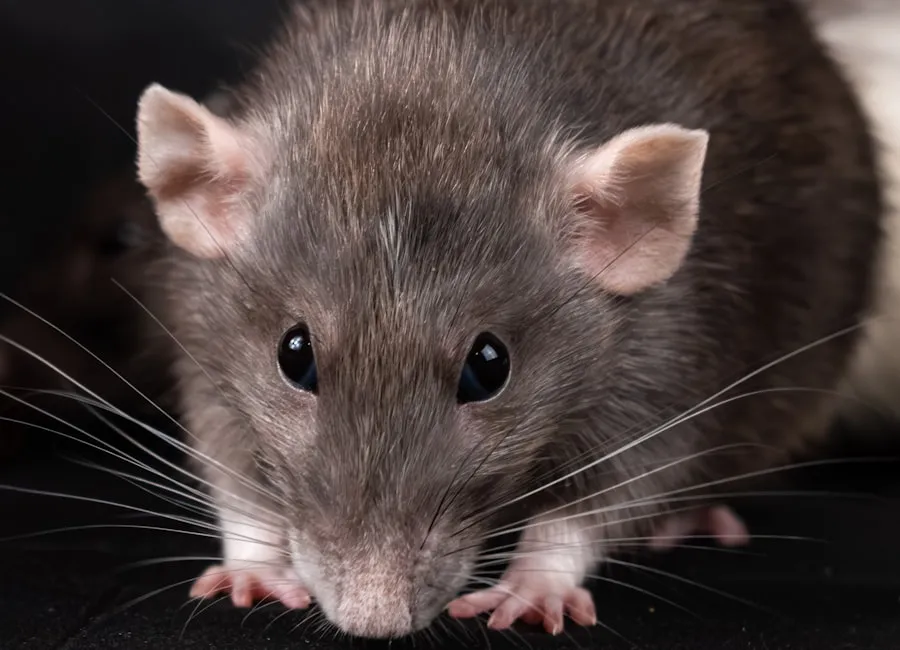
Droppings are the most reliable evidence. Rat droppings are dark, 12–18mm long and spindle-shaped; mouse droppings are 3–6mm. You'll find them concentrated near nesting spots and along runs. Fresh droppings are dark and moist; old ones are grey, dry and crumble easily — the mix tells you whether the problem is active.
Alongside droppings, look for rub marks: dark, greasy smears on beams, wiring and the edges of access hatches where oil from their fur builds up on the surfaces they brush past every night. Heavy, well-defined rub marks point to an established, high-traffic run.
3. A musty, ammonia-like smell
A persistent musty or urine-like odour coming through downlights, the manhole or ceiling vents is a strong sign of an active nest. In a bad infestation the smell can seep into upstairs bedrooms. If a rodent dies in the void — often after eating bait — you'll get a distinct, heavy odour of decay that can last one to two weeks until it dries out.
4. Gnaw damage — and the fire risk you can't ignore
This is the sign that makes rodents in the roof more than a nuisance. Rats and mice chew constantly to file down their teeth, and in a Sydney roof void the targets are:
- Electrical cabling — stripped wiring is a genuine house-fire risk and a common insurance claim.
- Timber rafters and joists — gnawed edges and holes.
- Insulation batts — shredded and compacted into nests, ruining thermal performance.
- Water and gas lines, air-con ducting and pool tubing.
If you can smell rodents or hear them nightly, assume they're already chewing near your wiring. Damaged cabling in the roof is one of the most under-reported causes of electrical faults in older Sydney homes — it's not a problem to sit on.
5. Nests, tracks and hoarded food
When you (or a technician) get into the void, active nests look like shredded balls of insulation, cardboard, chewed timber and garden debris tucked into a corner or under batts. You may also find caches of hoarded seeds, pet biscuits or snail bait. Runways show as clean, flattened trails through the dust and insulation.
Seal rodents out for good
Licensed Sydney technicians, same-day service, and 20% off your first inspection — technician on-site within an hour of confirmation.
Get Your Free QuoteHow bad is it? Reading the signs
Use this quick guide to judge severity before you call anyone:
| What you notice | Likely stage |
|---|---|
| Occasional noise, a few scattered droppings | Early — one or two rodents, easy to control |
| Nightly noise, fresh droppings, faint rub marks | Established nest — act now |
| Strong smell, heavy rub marks, gnawed cables, daytime activity | Heavy infestation — professional treatment needed |
Daytime activity is a red flag: rodents are nocturnal, so seeing them in daylight usually means the population has grown large enough that they're competing for food and space.
Which Sydney homes are most at risk?
Roof rats love mature trees and shared roof lines, so we see the most roof-void activity in the leafy Inner West and North Shore — think Marrickville, Ashfield, Lane Cove and Chatswood — as well as terrace rows in Surry Hills and Paddington where rodents move along adjoining ceilings between houses. Homes with palm trees, established gardens, or a neighbour doing renovations (which displaces rodents) are especially prone.
What to do next
If you've ticked two or more of the signs above, don't wait for it to get worse — rodents breed year-round in Sydney's climate. A professional inspection will confirm the species, locate the nest and — crucially — find the entry points on the roofline so the void can be sealed after treatment. Our licensed, insured technicians have cleared rodents from 1000+ Sydney homes and hold a 4.9-star rating. Book a free quote or contact us to arrange an inspection, and read more about our rodent control process.
Frequently Asked Questions
Is it rats or possums in my roof?
Possums are much heavier — you'll hear slow, deliberate thumping and heavy walking, usually at dusk and dawn, plus loud territorial hissing. Rats and mice make lighter, faster scratching and scurrying. Possums are protected in NSW and must be handled differently, so correct identification matters.
Why do I only hear them at night?
Rats and mice are nocturnal and avoid people, so they're most active once the house goes quiet. Hearing them during the day usually signals a larger, more established infestation.
Can rats in the roof damage my wiring?
Yes. Rodents gnaw constantly and electrical cabling is a frequent target. Stripped wiring in the roof void is a recognised fire risk, which is why a roof infestation should be treated promptly rather than ignored.
There's a bad smell but no noise — is it gone?
A sudden strong smell with no movement often means a rodent has died in the void, sometimes after taking bait. The odour usually fades within one to two weeks, but it's worth having the carcass located and the entry points sealed so it doesn't happen again.
How quickly should I act on roof rodents?
Quickly. Rodents breed year-round in Sydney and cause escalating damage to insulation and wiring the longer they stay. Early treatment is cheaper, faster and lowers the risk of electrical damage.